Start your business, change your life

Learn how to grow your income with tips and ideas about direct selling and starting your own wellness store. Read success stories and simple guides to help you succeed.
-
10
min read
Want to start an online business without investing in inventory? Our complete guide to dropshipping in India explains how to start, what to sell, and how to succeed in 2025. Find out how thousands of Indians are building profitable online stores with zero inventory risk.

Looking to start an online business without keeping stock? Learn how to start a dropshipping business in India that can earn you good money from home. With India's ecommerce market expected to reach USD 350 billion by 2030, now is the perfect time to start your zero-inventory business.

To start dropshipping in India in 2025, you need:

  • Basic Setup: Rs 0-20,000
  • Website Cost: Rs 0-1500/month
  • Marketing Budget: Rs 5000-10,000/month
  • GST Registration: Rs 1500-2000 (optional)

With platforms like Wcommerce, you can start dropshipping without investment.

What is Dropshipping?

Dropshipping is a retail business model where you sell products online without keeping any stock. When customers buy from your online store, the supplier ships products directly to them. Recent studies show that 41% of Indian consumers now prefer online shopping, making ecommerce dropshipping an attractive business option.

How Dropshipping Works in India:

  1. You create your online store
  2. Customer orders from your store
  3. You forward the order to supplier
  4. Supplier ships directly to customer
  5. You keep the profit margin

Dropshipping Business Checklist for 2025

Essential requirements to start:

  1. Business Plan
    • Choose niche
    • Research products
    • Set pricing strategy
  2. Legal Requirements
    • Email Address
    • Bank Account
  3. Technical Setup
    • Online Store
    • Payment Gateway
    • Social Media Accounts
  4. Marketing Plan
    • Social Media Strategy
    • Content Plan
    • Advertising Budget

Why Choose B2C Dropshipping in India?

The dropshipping business model in India offers many benefits for passive income:

  • Low investment to start
  • No inventory management
  • Work from anywhere
  • No warehouse needed
  • Wide product selection
  • Easy scalability

Step-by-Step Guide to Start Dropshipping

1. Choose Your Niche

Want to start an online business without investment? First, select products that:

  • Have growing demand
  • Are easy to ship
  • Offer 30-40% margin
  • Have less local competition

Popular categories in online retail:

  • Health & wellness products
  • Beauty and skincare
  • Fashion accessories
  • Home decor
  • Electronics accessories

2. Find Reliable Partners

Look for platforms like Wcommerce that offer:

  • Quality products
  • On-time shipping
  • Return handling
  • Order tracking
  • Customer support

3. Set Up Your Online Store

Choose from:

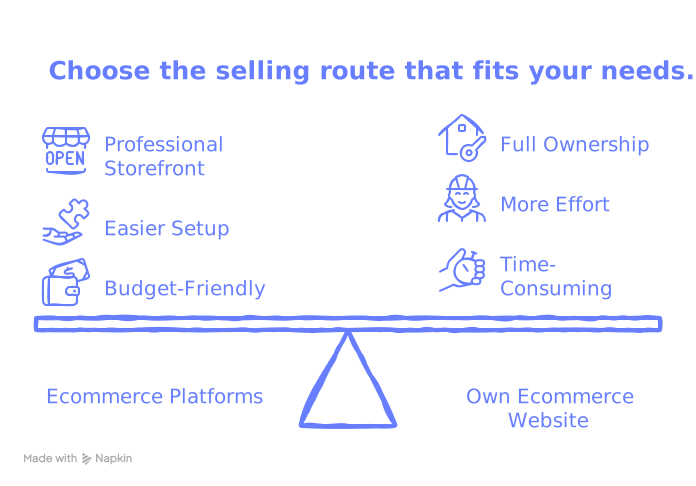
  • Ready platforms (fastest start)
  • Shopify (easy but paid)
  • Custom website (needs technical knowledge)

4. Price Your Products Competitively

Remember to:

  • Check market prices
  • Include shipping costs
  • Consider platform fees
  • Keep 30-40% margin
  • Stay competitive

5. Market Your Online Store

Best promotion channels:

  • WhatsApp business groups
  • Facebook & Instagram
  • Google ads
  • Local community groups
  • Friends & family networks

Market Potential and Growth

Recent market research indicates:

  • 35% annual growth in online retail
  • 79% increase in first-time online shoppers
  • 54% growth in tier 2-3 city orders

Dropshipping Market Statistics 2025

Recent data shows promising growth in Indian ecommerce:

  • Indian ecommerce market to reach $188 billion by 2025
  • 74% of Indian consumers shop online regularly
  • Tier 2 and 3 cities show 82% growth in online shopping
  • Mobile commerce accounts for 67% of all online sales

Common Challenges in Indian Dropshipping

Shipping and Logistics

  • Choose lightweight products
  • Focus on high-value items
  • Work with reliable shipping partners

Payment Processing

  • Use trusted payment gateways
  • Offer multiple payment options
  • Keep delivery proof

Building Trust

  • Show real product photos
  • Give honest delivery times
  • Respond quickly to queries

Start Without Investment

Begin your journey with:

  1. Ready platforms like Wcommerce
  2. Social media marketing
  3. Free promotion tools
  4. Gradual growth plan

Legal Requirements

Basic needs:

  • GST registration (for pan-India selling)
  • Bank account
  • Email address

Success Tips for Online Retail

  1. Start small, grow steadily
  2. Test market demand
  3. Focus on customer service
  4. Keep learning
  5. Build customer loyalty

Ready to Start Your Journey?

The Indian ecommerce space is growing rapidly, making it the perfect time to start your dropshipping business. With thousands of successful online store owners already earning good income, you too can build a profitable business.

Remember:

  • Choose trending products
  • Use reliable platforms
  • Provide excellent service
  • Market consistently
  • Stay patient

Frequently Asked Questions About Dropshipping in India

1. Is dropshipping legal in India?

Yes, dropshipping is completely legal in India. You need basic business registrations like PAN and GST (if turnover exceeds ₹20 lakhs annually).

2. How much money do I need to start dropshipping?

You can start dropshipping for free using platforms like Wcommerce. Optional costs include marketing (₹5000-10000/month) and business registration (₹1500-2000).

3. Do I need GST registration for dropshipping?

GST registration is mandatory if your annual turnover exceeds ₹20 lakhs. However, registering early helps build trust and allows pan-India business.

4. Which products are best for dropshipping in India?

Top performing categories include:

  • Health & wellness products
  • Beauty and skincare
  • Electronics accessories
  • Home decor items
  • Fashion accessories

5. How long does it take to earn profit?

Most dropshippers start seeing profits within 3-6 months with proper marketing. Successful dropshipping stores can earn ₹30,000-1,00,000 monthly.

6. Can I do dropshipping with a full-time job?

Yes, dropshipping can be managed part-time. Many successful store owners start as a side business while keeping their regular jobs.

Want to start your dropshipping business without investment? Create your free Wcommerce store today!

Create Your Free Store Now

-
January 8, 2026
Read More

Frizz. Breakage. Hair fall. Split ends. If your daily mirror check is turning into a worry session, you’re not alone. But there’s one simple solution that beauty insiders, dermatologists, and influencers swear by-hair serum.

A good hair serum isn’t just a finishing product-it’s a game-changer. Whether you're chasing shine, smoother strands, or stronger roots, the right serum can transform your entire hair care routine. In this blog, we’ll explore what makes hair serum a must-have, how to use hair serum for the best results, and how you can choose the right one for your hair type-including options if you're looking for a hair regrowth serum.

Let’s dive in.

What is Hair Serum?

A hair serum is a product designed to coat your hair strands and give them instant shine, smoothness, and protection. Unlike hair oils, serums don’t penetrate the hair shaft-they work on the outside to form a protective layer that shields hair from environmental stressors like heat, humidity, and pollution.

Benefits of Hair Serum:

  • Frizz control: Tames flyaways and smoothens unruly strands.
  • Adds shine: Instantly enhances natural shine without looking greasy.
  • Protects from heat styling: Shields hair from damage caused by flat irons, curling wands, and blow dryers.
  • Detangles: Makes combing easier by softening hair texture.
  • Boosts softness: Leaves hair feeling silky and smooth to the touch.

Types of Hair Serums

Depending on your concern, there’s a hair serum for every need. Here's a quick breakdown:

1. Frizz-Control Serums

Ideal for curly, wavy, or unruly hair types that struggle with humidity.

2. Shine-Enhancing Serums

Great for dull and dry hair that lacks luster.

3. Heat Protectant Serums

Perfect for regular styling tool users.

4. Hair Regrowth Serums

These go beyond surface care. Formulated with ingredients like biotin, peptides, and plant stem cells, a hair regrowth serum nourishes the scalp and stimulates follicles to promote growth and reduce thinning.

How to Use Hair Serum Like a Pro

So, how to use hair serum effectively? A few drops are all it takes-but it’s all about the technique.

Step-by-Step Guide:

  1. Wash Your Hair
        Hair serum works best on clean, towel-dried hair. So start by shampooing and conditioning as usual.Take a Few Drops
        Pump 2–4 drops of serum onto your palm. The amount depends on your hair length and thickness.
  2.  
  3. Rub and Warm
        Rub the product between your hands to activate it.Apply to Hair Ends First
        Focus on the mid-length to ends. Avoid the roots unless you’re using a scalp-friendly hair regrowth serum.
  4.  
  5. Comb Through
        Use a wide-toothed comb to evenly distribute the product. Blow Dry or Air Dry
        Style as usual. If using heat tools, make sure your serum doubles as a protectant.

Pro Tip: Reapply a tiny bit of serum to dry hair during the day if frizz or dullness returns.

Choosing the right hair serum for your hair type

Your hair care routine should be tailored to your hair's needs. Here's how to pick the perfect hair serum based on hair type:

For Dry & Damaged Hair:

Look for serums with argan oil, jojoba oil, or keratin. These ingredients provide deep hydration and repair.

For Oily Scalp with Dry Ends:

Use a lightweight, non-greasy formula that adds shine to the ends without making your scalp greasy.

For Thin or Thinning Hair:

Choose a hair regrowth serum with DHT blockers, peptides, or caffeine. These improve blood flow to the scalp and strengthen hair from the root.

For Colored or Chemically Treated Hair:

Go for serums with UV filters and antioxidants to preserve hair color and reduce damage+.

Common mistakes to avoid

While serum is a miracle worker, using it wrong can do more harm than good. Here are common blunders

  • Using too much: More doesn’t mean better. It can weigh your hair down.
  • Applying to the scalp (unless it’s a growth serum): Regular serums can clog pores and cause greasiness.
  • Skipping it altogether: Especially if you use heat tools or live in a polluted city.

Incorporating serum into your hair care routine

Your hair care routine isn’t complete without a serum. Here's how you can build a weekly plan-

Daily:

  • Apply a few drops to dry or damp hair for frizz control and shine.

After Every Wash:

  • Use a protective serum on towel-dried hair before blow drying or styling.

Weekly:

  • Combine with a deep conditioning mask for intense hydration and smoothness.

For Hair Growth:

  • Use a hair regrowth serum at night directly on the scalp. Massage for 2–3 minutes to boost absorption.

This ritual improves texture,reduces breakage, and encourages healthier strands over time.

Natural vs. Chemical-based hair serums

With clean beauty trends rising, many users are turning to natural-based serums with fewer silicones and no parabens.

Natural Hair Serums:

  • Use plant oils and botanical extracts
  • Gentler on scalp and strands
  • Suitable for long-term use

Chemical-Based Serums:

  • Offer instant shine and smoothness
  • Ideal for quick fixes or high-humidity settings

Your choice depends on your lifestyle and the condition of your hair. A hybrid option-a clean, lightweight serum with performance-grade ingredients, is often the best of both worlds.

DIY hair serum (Bonus section)

Want to whip up your own serum? Here’s a basic DIY formula:

Ingredients:

  • 1 tbsp argan oil1 tbsp jojoba oil
  • 5 drops rosemary essential oil
  • 3 drops lavender essential oil

Directions:

Mix and store in a dropper bottle. Use 2–3 drops on damp hair ends or massage into the scalp once a week as a hair regrowth serum.

Best ingredients to look for in a hair serum

When scanning labels, look out for:

  • Argan Oil – Rich in Vitamin E, it tames frizz and adds shine.
  • Biotin – Strengthens strands and supports growth.
  • Hyaluronic Acid – Adds intense hydration to dry hair.
  • Peptides – Supports scalp health and promotes thicker hair.
  • Niacinamide – Reduces inflammation and strengthens follicles.
  • Castor Oil – Known for promoting hair regrowth.

Frequently Asked Questions

Q1: Can I use hair serum everyday?

Yes, but opt for lightweight formulas if you’re applying daily to avoid buildup.

Q2: Will a hair serum make my hair oily?

Not if used correctly. Apply a small amount to the mid-lengths and ends only.

Q3: Can I use a hair regrowth serum and a styling serum together?

Absolutely. Apply the hair regrowth serum to your scalp and the styling serum to your hair strands.

Final Thoughts

Whether you're trying to protect your hair from heat, add shine before a night out, or restore thinning patches-hair serum is the unsung hero your routine has been missing. When chosen and applied correctly, it delivers salon-like results without the effort.

Create your store today and take your business to the next level with Hair Care Products that you, your customers & your hair will love! Join thousands who are creating their stores and selling products like these to earn an income or to buy products at wholesale prices for themselves, friends and family.

Hair Care Products
-
8
min read

Hair Serum: The secret weapon your hair deserves

Tame frizz, add shine, and support hair regrowth with the right hair serum. Learn how to use it in your daily hair care routine.
Dr.Uttara Ghatge, B.D.S
-
July 21, 2025

In a world flooded with processed snacks, refined carbs, and quick-fix health trends, more and more people are pressing pause and returning to nature’s original superfoods. Among these, one humble grain is quietly reclaiming its space on our plates-foxtail millet or कंगनी.

Picture this: generations ago, your grandmother might have cooked hearty meals with foxtail millet, not as a trend, but as a way of life. Today, this ancient grain is making a bold comeback-not just in Indian homes, but across health-conscious kitchens worldwide.

So what makes foxtail millet a superfood in India? For starters, it’s naturally gluten-free, rich in fiber, and packed with essential nutrients. Whether you're managing blood sugar, aiming for better digestion, or just trying to eat clean, foxtail millet checks all the boxes.

In this blog, we’ll walk you through everything you need to know-from foxtail millet benefits and how to cook it, to how it compares with modern favorites like quinoa. If you're ready to bring a little tradition back to your table-with a modern twist-this guide is for you.

What Is Foxtail Millet?

Foxtail millet (Setaria italica), locally known as kangni or thinai, is one of the oldest cultivated millets in the world. Grown widely in India and parts of East Asia,this tiny yellow grain is packed with nutrients and free from common allergens like gluten.

Millets were once a poor man's staple but have now found their way into gourmet kitchens and health stores thanks to their dense nutritional profile and low environmental impact. Foxtail millet, in particular, stands out because of its high protein content,slow-digesting carbs, and rich fiber levels.

Foxtail Millet Grain & Crop

Top Foxtail Millet Benefits

Switching to foxtail millet can bring several long-term health advantages. Here are some of the major foxtail millet benefits that make it a superfood:

1. Supports Weight Loss

Foxtail millet is rich in dietary fiber and complex carbs that keep you full for longer. This helps reduce cravings and lowers your overall calorie intake-making it ideal for those on a weight loss journey.

2. Controls Blood Sugar Levels

The grain has a low glycemic index, which means it releases sugar slowly into the bloodstream. This makes it excellent for people with diabetes or those trying to manage insulin spikes.

3. Improves Heart Health

Foxtail millet contains magnesium and other essential nutrients that help lower bad cholesterol (LDL)and improve heart function.

4. Boosts Digestive Health

Its high fiber content promotes gut health, aids digestion, and prevents constipation. This makes it especially useful in urban diets lacking in roughage.

5. Strengthens Bones and Immunity

With good amounts of iron, calcium, and antioxidants, foxtail millet plays a role in strengthening bones and boosting the immune system.

Is Foxtail Millet Gluten-Free?

Yes, it is! Foxtail millet is naturally gluten-free, which makes it a smart and safe choice for people with celiac disease or gluten sensitivity. Unlike grains like wheat, barley, or rye, foxtail millet doesn't contain the proteins that trigger allergic reactions or digestive issues in gluten-intolerant individuals.

It’s a versatile grain you can easily use in place of wheat or rice-whether in baking, porridges, or even in your daily meals. Best of all, you won’t be missing out on nutrition. Foxtail millet delivers fiber, protein, and key minerals-minus the gluten.

Is Quinoa a Millet?

It’s a common mix-up—but no, quinoa is not a millet.

Quinoa is actually a pseudocereal—it’s not a true grain, but it behaves like one when cooked. It comes from the Chenopodium plant and is native to South America. Millets, on the other hand, are true cereal grains, traditionally grown across Asia and Africa.

The difference between quinoa and millet lies in their origin and classification: quinoa is a seed from a broadleaf plant, while millets are small-seeded grasses.

While both quinoa and millets are gluten-free, nutrient-dense, and versatile, millets have a key edge-especially in India. They’re locally grown, more climate-resilient, and a budget-friendly superfood.

Millet and quinoa grains
Millet and Quinoa

How to Cook Foxtail Millet: Easy Recipes & Tips

If you’re new to millets, don’t worry-learning how to cook foxtail millet is super simple. The grain is quick to prepare, versatile, and adapts well to both traditional and modern recipes.

✅ Basic Cooking Instructions

Ingredients

  • 1 cup foxtail millet
  • 2.5 cups water
  • A pinch of salt (optional)

Steps:

  1. Rinse the millet 2–3 times to remove dust and impurities.
  2. Soak it for 15–20 minutes to reduce cooking time and improve texture.
  3. Boil water in a pot, add the millet and salt, then reduce heat and cook covered for 10–12 minutes.
  4. Let it sit for 5 minutes and fluff with a fork before serving.

Recipe Ideas

  • Foxtail Millet Salad: Toss cooked millet with veggies, lemon juice, and olive oil.
  • Foxtail Millet Khichdi: Use it instead of rice with moong dal and mild spices.
Foxtail millet idli in a bowl
Foxtail Millet Idly

Why Foxtail Millet deserves a spot in your pantry

Foxtail millet isn’t just another health trend-it’s a smart, sustainable lifestyle choice. Here’s why it deserves a permanent place in your kitchen:

  • Easy on the wallet and easy to find: It’s affordable and grown locally, making it a great alternative to expensive imported grains.
  • Eco-friendly by nature: Foxtail millet requires less water, fewer fertilizers, and thrives in dry conditions-making it a win for both your plate and the planet.
  • Long shelf life, quick cooking: It stores well without preservatives and cooks faster than many other whole grains, saving you time in the kitchen.
  • Culinary chameleon: From fluffy rotis and crispy dosas to soothing porridges and grain bowls, foxtail millet adapts to almost any recipe.

It’s wholesome, versatile, and good for both you and the earth-what’s not to love?

Pro Tips for storing and using Foxtail Millet

  • Store it in an airtight container in a cool, dry place.
  • Dry roast millet before cooking for a nutty flavor.
  • Mix with other millets for variety and added nutrition.
  • Use it in desserts like millet laddoos or kheer.

Final Thoughts

Foxtail millet is more than just a food trend-it’s a return to our roots and a smart move towards better health and sustainability. From reducing lifestyle diseases to enhancing daily nutrition, this supergrain checks all the boxes.

Whether you're a health enthusiast, a home chef, or a retailer—now is the best time to embrace foxtail millet.

Create your store today and take your business to the next level with Health foods that you, your customers & your health will love! Join thousands who are creating their stores and selling products like these to earn an income or to buy products at wholesale prices for themselves, friends and family.

-
8
min read

Foxtail Millet: High-protein gluten-free supergrain

Foxtail millet is a gluten-free, protein-rich supergrain ideal for weight loss, diabetes and heart health. Add it to your daily meals for better health.
Dr.Uttara Ghatge, B.D.S
-
July 18, 2025

Chyawanprash-the word brings back so many memories. Of the sleepy mornings, the rush to get ready for school, and just before you ran out the door, your mom stopping you with a big spoonful of Chyawanprash. You didn’t love the taste, but you knew it meant care, warmth, and her way of keeping you healthy through every season.
Today, that same spoonful holds even more meaning. In a world full of synthetic supplements and quick-fix solutions, Chyawanprash stands out as a timeless Ayurvedic formulation that has stood the test of time. Passed down over generations, this sticky, herbal jam is more than just a traditional tonic-it’s a powerhouse of immunity, strength, and vitality.

But what exactly is Chyawanprash? Why is it gaining global attention today? And how is it evolving into modern formats like sugar free chyawanprash to meet the needs of today’s health-conscious consumers?

What Is Chyawanprash?

Chyawanprash is a traditional Ayurvedic herbal supplement made with a powerful mix of over 40 herbs and natural ingredients. At its heart is Amla (Indian Gooseberry), one of the richest natural sources of Vitamin C. Legend says it was first prepared by the sage Chyawan to restore his health and vitality-hence the name.

Thick, dark, and sweet with a slightly tangy kick, Chyawanprash is usually taken by the spoonful-on its own or stirred into warm milk. But don’t let the word “jam” fool you. This is no ordinary spread-it's one of Ayurveda’s most potent and time-tested formulas for boosting immunity, energy, and overall wellness.

Herbal ingredients laid around a bowl of chyawanprash on a wooden board
Chyawanprash and it's ingredients

Chyawanprash benefits you should know

Chyawanprash has been praised for centuries-and for good reason. Here are the benefits for the same:

  1. Strengthens Immunity
    Chyawanprash is best known for building a strong immune system. Thanks to its high antioxidant content-especially from Amla, it helps your body ward off infections, colds, coughs, and even seasonal allergies.
  2. Supports Respiratory Health
    It works as a natural bronchodilator and expectorant, making it helpful for people dealing with asthma, bronchitis, or other long-term respiratory issues.
  3. Improves Digestion
    Yes, chyawanprash is good for digestion (and hair too-but more on that later). It boosts your digestive fire, or Agni, helping your body absorb nutrients better, reduce bloating, and speed up metabolism.
  4. Great for Skin and Hair
    Loaded with antioxidants, it helps slow down visible signs of aging, keeps your skin glowing, and promotes strong, healthy hair.
  5. Sharpens Memory and Focus
    With brain-boosting herbs like Brahmi and Shankhpushpi, chyawanprash supports mental clarity, memory retention, and concentration-ideal for students and professionals.
  6. Boosts Energy and Vitality
    Feeling tired all the time? A daily spoonful of chyawanprash can help fight fatigue, increase stamina, and keep you feeling energized throughout the day. It’s a gentle yet powerful way to support overall vitality for all age groups.

Modern twist: Sugar free Chyawanprash

While the traditional version is sweetened with jaggery or honey, today’s health-conscious population is increasingly turning to sugar free chyawanprash. This version offers all the powerful benefits of the classic formula but without the added sugar.

While everyone can benefit from traditional chyawanprash, sugar free chyawanprash is perfect for:

  • Diabetics and pre-diabetics
  • Weight-watchers
  • Keto or low-carb diet followers
  • Fitness enthusiasts
  • Seniors with restricted sugar intake

It’s a smarter, guilt-free alternative that brings you all the classic chyawanprash benefits without the sugar load.

Is Chyawanprash good for hair & digestion?

Ayurveda says yes, and so does science.

For Hair:
The antioxidants and vitamin C from Amla help in strengthening hair roots, preventing premature greying, and enhancing natural shine. Herbs like Ashwagandha reduce cortisol levels, which is linked to hair fall.

For Digestion:
Herbs like Pippali, Ginger, and Long Pepper stimulate digestive enzymes.Chyawanprash also soothes the intestinal lining, improves bowel movements, and balances gut flora.

Including just two teaspoons of chyawanprash in your daily routine can lead to noticeable improvements in both hair texture and digestive health within weeks.

An artboard listing ingredients and their benefits going in chyawanprash
Ingredients and their benefits

How to consume Chyawanprash

Here’s how you can make chyawanprash part of your daily wellness ritual:

  • Dosage: 1-2 teaspoons daily.
  • Best Time: Morning on an empty stomach or at night before bed.
  • Pair With: Warm milk or water to enhance  absorption
  • Who Can Take It: Kids (above 5 years), adults, and seniors. Special versions like sugar free chyawanprash are suitable for diabetics and calorie-watchers.

Pro Tip: Always store it in a cool, dry place and use a dry spoon to avoid contamination.

Common myths about Chyawanprash – Busted!

  1. “It’s only for winters.”
    Not true. While it’s comforting in cold weather, chyawanprash is beneficial all year round. Its immunity-boosting and energy-enhancing properties make it a great daily wellness habit-no matter the season.
  2. “It’s just a sweet jam.”
    Far from it. Chyawanprash may look like a jam, but it’s a powerful Ayurvedic formulation packed with over 40 medicinal herbs. Think of it as a herbal tonic, not a toast spread.
  3. “It causes weight gain.”
    Only if you overdo it. When taken in the right amounts, chyawanprash does not lead to weight gain. In fact, sugar-free versions are ideal for those watching their calories, offering all the benefits without the added sugar.

The future of Chyawanprash

Chyawanprash has come a long way from being a traditional home remedy. Today, it’s embraced by modern consumers who want natural, effective ways to support immunity and mental well-being, especially in a post-pandemic world.

With exciting innovations like sugar-free options, travel-friendly sachets, and even fun flavors like mango and chocolate, chyawanprash is more accessible and appealing than ever. It's proof that ancient wisdom can thrive in modern lifestyles.

Final thoughts

In a market full of wellness fads, chyawanprash stands the test of time. It’s not just a seasonal fix-it’s a daily ritual packed with nature’s most powerful ingredients, all working together to boost immunity, improve digestion, nourish skin and hair, and elevate energy levels.

Create your store today and take your business to the next level with Ayurvedic Wellness that you, your customers & your health will love! Join thousands who are creating their stores and selling products like these to earn an income or to buy products at wholesale prices for themselves, friends and family.

Holistic Nutrition
-
8
min read

Chyawanprash: The ancient food making a modern comeback

A powerful Ayurvedic blend for immunity, digestion & hair. Try sugar free chyawanprash for all the benefits without the added sugar.
Dr.Uttara Ghatge, B.D.S
-
July 18, 2025

Introduction-

Who doesn’t find pets adorable? Especially dogs, they’re just bundles of love trying to be our best friend. And that’s why its so important for us to take care of them the best we can. As more pet parents embrace plant-based lifestyles, the demand for vegan dog food is rising. It is no longer a distant idea, this ethical and sustainable alternative to traditional meat-based diets is making waves in the pet food industry. Whether you're already feeding your pup plant-based meals or exploring it for the first time, this guide covers everything you need to know—from benefits and myths to types like wet dog food, dry dog food, and vegan dog treat options.

What is vegan dog food?

Vegan dog food is made entirely from plant-based ingredients, meaning it contains no animal products or byproducts. Instead of chicken, beef, or fish, these meals rely on proteins from peas, lentils, chickpeas, soy, and whole grains.

Is vegan dog food healthy for dogs?

Dogs, unlike cats, are omnivores, surprising right? That means they can thrive on a plant-based diet as long as it’s well-balanced and complete. Recent studies show that vegan diets, when carefully curated, can provide all the nutrients dogs need to live long, healthy lives.

Benefits include:

  • Reduced allergies and skin issues
  • Better digestion
  • Lower risk of obesity
  • Shinier coat and fresher breath

Of course, any major diet change should be done under the guidance of your vet, especially if your dog has pre-existing health conditions.

Wet dog food vs. Dry dog food: What’s better for vegan diets?

Both wet dog food and dry dog food come in vegan options, and each has its own pros:

Wet Dog Food- It is a type of commercially produced dog food that has a high moisture content, typically 70-80%. It is often found in cans, pouches, or trays and comes in various forms like chunks in gravy or jelly.

  • Higher moisture content-great for hydration
  • Easier to chew for older dogs or those with dental issues
  • Often more appetizing due to stronger smell and flavor

Dry dog food- Often called kibble, it is a convenient form of dog food characterized by its low moisture content and long shelf life

  • Convenient and shelf-stable
  • Good for dental health-helps clean teeth
  • Easier to store and portion

Many pet owners choose to mix both types or rotate them to keep mealtime interesting.

Must-Try vegan dog treats

Looking to reward your furry friend with something special? There’s a growing market for vegan dog treats made with natural ingredients like sweet potatoes, oats, peanut butter, and pumpkin. These guilt-free snacks are not only tasty but also align with ethical and earth friendly values.

Busting common myths about vegan dog food

Myth 1: Dogs need meat to survive.
Truth: Dogs are omnivores and can meet all their nutritional needs from plants if the diet is properly formulated.

Myth 2: Vegan dog food lacks protein.
Truth: Plant proteins like peas, lentils, soy, and quinoa offer complete amino acid profiles.

Myth 3: Vegan food is bland and boring.
Truth: Today’s vegan dog food is crafted for taste as much as nutrition. Flavors like sweet potato stew, lentil loaf, and peanut butter delight are ahit with dogs.

How to transition your dog to vegan dog food

Switching to vegan dog food should be gradual. Start by mixing a small amount of plant-based food with your dog’s current diet. Over the course of 7–10 days, increase the proportion of vegan food until it becomes the sole diet.

Watch for signs of adjustment like:

  • Consistent appetite
  • Healthy stools
  • Energetic behavior
  • No allergic reactions

Why more pet owners are choosing vegan

From reducing carbon footprints to supporting animal rights, the reasons are growing:

  • Environmental impact: Pet food accounts for 25-30% of the environmental costs of meat production.
  • Animal welfare: No animals are harmed or exploited.
  • Allergy-friendly: Fewer cases of food sensitivity, especially to beef or chicken.

Vegan dog food: Not just a trend

What started as a niche lifestyle choice is now a booming market. Major pet food brands are investing in plant-based Research & Development. New startups are offering subscription models for personalized vegan meals. Influencers and vets are raising awareness.

Whether you’re looking to go green, solve allergy problems, or just want a healthier option for your dog, vegan dog food is worth exploring.

To conclude

The future of pet food is sustainable,compassionate, and plant-based. With carefully formulated recipes in wet dog food, dry dog food, and vegan dog treat , you can nourish your dog while aligning with your values.

Create your store today and take your business to the next level with pet foods that you, your customers & your dogs will love! Join thousands who are creating their stores and selling products like these to earn an income or to buy products at wholesale prices for themselves, friends and family

-
8
min read

Vegan dog food: A healthier, kinder choice for your pet

High-protein naturally delicious vegan dog food made with clean, plant-based ingredients. Supports healthy digestion, shiny coat & allergy relief.
Dr.Uttara Ghatge, B.D.S
-
July 15, 2025

Introduction

What is direct selling?

Direct selling is a business model where products are sold directly to consumers, eliminating the need for a middleman or a retail store. Instead of shopping at malls or supermarkets, customers buy from independent sellers who personally promote and sell the products. This model is widely used in network marketing (MLM) and single-level direct selling businesses.

India’s booming direct selling market

India’s direct selling industry is growing rapidly, fueled by rising entrepreneurship, digital connectivity, and demand for high-quality personal care, wellness, and household products. According to industry reports, the sector is expected to reach ₹64,500 crore ($7.98 billion) by 2025, and is projected to grow further to around ₹74,000 crore ($8.9 billion) by 2026. Major global and Indian brands like Amway, Vestige, Modicare, and Herbalife are thriving in this space, offering people a chance to earn without heavy investments.

Why direct selling is important for India?

Direct selling plays a key role in employment generation and economic growth, especially in a country like India, where job opportunities are a concern. Here’s how:


Empowers Individuals – Anyone can start a direct selling business with minimal investment. Housewives, students, and retirees can earn independently.
Boosts Self-Employment – It offers a great alternative to traditional jobs, helping millions create financial stability.
Strengthens the Economy – With a growing consumer base and increasing sales, the industry contributes significantly to India's GDP.
Encourages Skill Development – Sellers learn valuable skills like communication, marketing, and leadership.

With a low-risk, high-reward model, direct selling is shaping the future of India’s entrepreneurial landscape.

Current state of direct selling in India

Direct selling in India has grown massively over the years, giving people an opportunity to earn without needing a big investment. From beauty and wellness to homecare products, this industry is changing the way people shop and do business. Let’s break it down in a way that’s easy to understand.

1. Market size & growth trends (2024 Data)

The direct selling companies in India is booming! In 2022, the market size was around USD 10.38 billion ,and it is expected to double by 2030, reaching nearly USD 21.67 billion. That’s a 9.6% annual growth rate—which is pretty impressive!

But what’s driving this growth?

·        More people are looking for side incomes or self-employment opportunities.

·        Social media has made it easier to sell products without opening a physical store.

·        The demand for health, beauty, and personal care products is at an all-time high.

In short, direct selling is no longer just a small business model—it’s becoming a major contributor to India’s economy!


2. Key sectors driving direct selling in India

Certain industries are leading the direct selling movement, making up most of the sales. These include:

· Health & Wellness – People are more focused on fitness and well-being than ever. Products like dietary supplements, organic food, protein shakes, and Ayurvedic products are selling fast.

· Beauty & Personal Care –Skincare, cosmetics, and hair care products are some of the biggest-selling items in direct selling. With the rise of self-care trends and influencer marketing, these products are in high demand.

· Homecare & Lifestyle – Many direct selling companies offer eco-friendly detergents, kitchen essentials, and wellness gadgets, tapping into India’s growing interest in sustainable living.

· Fashion & Accessories – From affordable jewelry to trendy apparel, fashion brands have also entered the direct selling game.

With these sectors dominating the market, new businesses have plenty of opportunities to grow!


3. Major players in the industry

A few companies dominate the direct selling market in India. These brands have built a strong reputation and offer great earning opportunities for their sellers:

· Amway – One of the biggest names globally, offering a variety of nutrition, skincare, and homecare products.

· Vestige – An Indian company focusing on health and wellness products, with a fast-growing network.

. Modicare – Known for a wide range of personal care, wellness, and home products, helping many sellers earn independently.

· Herbalife – A leader in nutrition and weight management products, catering to fitness-conscious consumers.

· Oriflame – Famous for beauty and skincare products, allowing sellers to earn through social selling.

· Tupperware – A household name in kitchen and home essentials, known for durable and high-quality products.

These companies have helped millions of people earn a livelihood by selling products through direct selling models.


4. Government regulations & legal framework

To protect consumers and ensure ethical practices, the Indian government has introduced rules under the Consumer Protection (Direct Selling) Rules, 2021 (part of the Consumer Protection Act, 2019).

Here’s what these rules mean:

·  Consumer Rights Are Protected – If someone buys a product through direct selling and is misled or scammed, they have the right to report it.

·  Grievance Redressal System – Every direct selling company must have a system to handle complaints quickly and fairly.

·  No Pyramid Schemes Allowed – The law bans illegal MLM schemes, making direct selling more legitimate.

·  Data Privacy Rules – Direct selling companies must store sensitive personal data within India to ensure safety and privacy.

·  Strict Timelines for Compliance –Companies were given a 90-day period to follow these rules, ensuring the market stays transparent and ethical.

These rules are a huge step forward in making direct selling a trustworthy and secure industry in India.

Key growth drivers for direct selling in 2026

Rising entrepreneurship culture in India
  • More people are exploring self-employment and side businesses.
  • Direct selling offers a low-investment business model with flexible working hours.
  • Government initiatives like "startup India" and "atmanirbhar Bharat" are encouraging independent businesses.
Digital transformation
  • Social media platforms like Instagram, Facebook, and WhatsApp have made it easier for sellers to reach customers.
  • E-commerce integration allows direct sellers to manage orders, payments, and deliveries online.
  • Many direct selling companies are launching mobile apps to help sellers track sales and earnings.
Increasing trust and awareness about direct selling
  • Consumers are becoming more aware of genuine direct selling vs. fraudulent pyramid schemes.
  • Government regulations, such as the consumer protection (direct selling) rules, 2021, have made the industry more transparent.
  • More testimonials, product reviews, and influencer collaborations are improving trust in direct selling brands.
Influence of women entrepreneurs and youth participation
  • A large number of women are turning to direct selling as a source of financial independence.
  • The youth population is actively participating, using digital marketing to boost sales.
  • Many brands are creating exclusive incentives, rewards, and training programs to attract young sellers.

These factors are making direct selling one of the fastest-growing business models in India.

Challenges Facing Direct Selling in India

Regulatory concerns and risk of Ponzi schemes
  • Direct selling is often confused with pyramid schemes, leading to strict government scrutiny.
  • The consumer protection (direct selling) rules, 2021, have set clear guidelines, but enforcement remains a challenge.
  • Some fraudulent companies still operate, affecting the reputation of legitimate direct selling businesses.
Consumer skepticism due to past scams
  • Many consumers associate direct selling with financial frauds and MLM scams.
  • Negative experiences from the past make it harder for genuine sellers to build trust.
  • Companies need to focus on transparency, product quality, and ethical business practices to change perceptions.
Competition from e-commerce and D2C brands
  • Online marketplaces like Amazon and Flipkart offer similar products with heavy discounts and easy returns.
  • Direct-to-consumer (D2C) brands are using digital marketing to reach customers directly, reducing the need for middlemen.
  • Direct selling companies must adapt by integrating online sales and providing unique value to customers.
Retaining and motivating distributors
  • Many people join direct selling for quick earnings but leave when they don’t see immediate results.
  • Distributors need continuous training, motivation, and incentives to stay engaged.
  • Companies must offer better support, realistic income expectations, and career growth opportunities.

Despite these challenges, direct selling continues to evolve and adapt, with companies focusing on ethical practices, digital transformation, and stronger customer relationships.

Future trends & opportunities in direct selling

The direct selling industry in India is evolving rapidly, and the future holds exciting opportunities for those willing to adapt to new trends. With advancements in technology, changing consumer behavior, and increasing digital adoption, direct selling is set to grow in new and innovative ways.

Growth of AI and automation in direct selling

Technology is transforming how direct selling works. Artificial intelligence (AI) and automation are helping businesses streamline operations, improve customer experiences, and make data-driven decisions. AI-powered chatbots are now handling customer queries, product recommendations, and even sales follow-ups, making it easier for sellers to manage their businesses. Automation also helps in tracking distributor performance, managing inventory, and predicting sales trends. With AI, direct selling is becoming more efficient, personalized, and scalable than ever before.

Role of social commerce and influencer marketing

Social media is no longer just a place for entertainment—it’s a powerful marketplace. Social commerce, where products are directly sold through platforms like Instagram, Facebook, and WhatsApp, is becoming a game-changer for direct selling. Influencer marketing is also playing a crucial role in building trust and boosting sales. When popular influencers or even micro-influencers promote products, people feel more confident about buying them. Many direct selling brands are now collaborating with influencers and providing sellers with digital tools to grow their businesses online.

Expansion into tier 2 and tier 3 cities

While direct selling is already popular in big cities, the real growth potential lies in tier 2 and tier 3 cities. With increasing internet penetration, better smartphone accessibility, and growing aspirations among people in smaller towns, direct selling is expanding beyond metros. These cities have a huge untapped market, where people are looking for affordable business opportunities and high-quality products. As more brands set up distribution networks in these regions, direct selling will become a stronger source of income for rural and semi-urban entrepreneurs.

Adoption of subscription models and personalized selling

Consumers today prefer convenience, and the subscription model is gaining traction in direct selling. Instead of making one-time purchases, customers are opting for monthly or yearly product subscriptions, ensuring steady sales for sellers. This is especially popular in categories like health supplements, skincare, and homecare products. Additionally, brands are focusing on personalized selling, using customer data to offer tailored product recommendations. This approach makes customers feel valued and increases brand loyalty, leading to long-term business growth.

Government support & policy impact on direct selling in India

The Indian government has been taking significant steps to regulate and support the direct selling industry, ensuring it operates transparently and benefits both sellers and consumers. With new guidelines, MSME support, and upcoming policy reforms, the industry is expected to grow in a more structured and ethical way.

Impact of new direct selling guidelines

The introduction of the Consumer Protection (Direct Selling) Rules, 2021 was a major milestone for the industry. These guidelines clearly differentiate genuine direct selling businesses from illegal pyramid schemes, which had previously damaged the industry’s reputation. The key provisions of these guidelines include:

  • Ban on pyramid and money circulation schemes to protect consumers from fraud.
  • Mandatory registration for direct selling companies, ensuring only legitimate businesses operate.
  • Clear refund and return policies, giving customers more confidence in their purchases.
  • Strict compliance requirements for companies, such as transparency in earnings and product claims.

These rules have boosted trust in direct selling, attracting more entrepreneurs and consumers while ensuring ethical business practices.

Role of MSME & startup ecosystem in boosting the industry

The Micro, Small & Medium Enterprises (MSME) sector plays a crucial role in supporting direct selling, as many sellers operate as independent entrepreneurs or small business owners. The government has introduced various initiatives, such as:

  • Easy financing schemes, like the MUDRA loan, which helps direct sellers get small business loans without collateral.
  • Skill development programs, where sellers receive training on business management, digital marketing, and customer engagement.
  • Encouragement for women entrepreneurs, with initiatives like the Women Entrepreneurship Platform (WEP) supporting female-led direct selling businesses.
  • Startup India initiatives, which provide tax benefits and incentives to direct selling companies that register as startups.

By integrating direct selling with the MSME and startup ecosystem, the government is empowering individuals to become self-reliant and boosting employment opportunities.

Future reforms & initiatives

The direct selling industry is likely to see more policy changes in the coming years to further streamline operations and enhance credibility. Some expected reforms include:

  • Stronger digital regulations to monitor online direct selling and prevent misleading promotions on social media.
  • GST reforms for direct sellers, ensuring fair taxation policies and reducing compliance burdens.
  • Incentives for sustainable and Indian-made products, encouraging direct selling companies to promote eco-friendly and locally sourced goods.
  • Integration with e-commerce policies, allowing direct selling businesses to leverage digital platforms without violating regulations

Role of training & skill development in direct selling

Training and skill development play a crucial role in the success of direct sellers. Unlike traditional jobs, direct selling requires individuals to build their own businesses, interact with customers, and manage sales independently. This makes training essential in helping sellers develop the right skills, gain confidence, and increase their earning potential.

Importance of soft skills and sales training

Direct selling is not just about selling products—it’s about building relationships and trust. This is why soft skills are just as important as sales techniques. Key skills that every direct seller should develop include:

  • Communication skills – Knowing how to explain products, handle customer objections, and close deals effectively.
  • Persuasion and negotiation – Helping customers see the value of products without pressuring them.
  • Time management – Balancing outreach, follow-ups, and personal development.
  • Confidence and self-motivation – Direct selling requires a proactive approach; sellers need to stay motivated even during slow periods.

Companies that invest in structured sales training programs see better retention rates and higher sales performance from their distributors.

Growth of certification programs and online learning

With the rise of e-learning, direct selling companies are moving beyond traditional in-person training and offering online certification programs. Many organizations now provide:

  • Webinars and virtual workshops led by industry experts.
  • E-learning platforms where distributors can access training materials at their own pace.
  • Certification programs that validate sellers' knowledge and skills, making them more credible in the industry.

These online learning opportunities help new sellers get started quickly and allow experienced sellers to refine their techniques and stay updated with industry trends.

How companies can empower distributors with knowledge

For direct selling companies, empowering distributors with knowledge is key to long-term success. Some effective strategies include:

  • Providing structured onboarding programs – A step-by-step guide for new sellers to understand the business model and start earning quickly.
  • Offering mentorship programs – Connecting new sellers with experienced mentors to help them navigate challenges.
  • Using AI-driven learning tools – Personalized recommendations for training content based on a distributor’s progress and performance.
  • Regular product training sessions – Ensuring sellers have in-depth knowledge about the products they are selling, so they can confidently answer customer queries.

Programs shaping the future of direct selling in India

The future of direct selling in India is being shaped by various government initiatives, corporate programs, and digital transformation efforts. These programs aim to regulate the industry, empower entrepreneurs, and integrate technology, making direct selling a more structured and sustainable business model.

Government initiatives supporting direct selling

The Indian government has introduced several programs to support direct sellers and ensure ethical business practices. Some of the key initiatives include:

  • Consumer protection (direct selling) rules, 2021 – This policy sets clear guidelines to differentiate genuine direct selling from fraudulent pyramid schemes, protecting both sellers and consumers.
  • Startup india & msme support – Direct sellers can benefit from startup india registration, tax incentives, and msme loan schemes such as mudra loans, helping them scale their businesses.
  • Digital india program – With increased access to high-speed internet and digital payment solutions, direct selling businesses can now reach customers across the country more efficiently.

Corporate-led training & development programs

Leading direct selling companies are investing heavily in training and skill development to empower their distributors. Some notable programs include:

  • Amway academy & vestige training programs – These platforms provide online and offline training in sales techniques, customer engagement, and product knowledge.
  • Digital entrepreneurship programs – Companies are launching e-learning platforms and mentorship programs to help distributors adapt to digital sales models.
  • Women empowerment initiatives – Many direct selling firms offer special training programs for women entrepreneurs, helping them start and grow their businesses.

Integration of ai & technology-driven programs

Technology is playing a key role in reshaping the direct selling industry. Some upcoming trends include:

  • Ai-powered sales & crm tools – Companies are providing distributors with ai-driven mobile apps for sales tracking, automated follow-ups, and personalized customer engagement.
  • Blockchain-based transparency programs – Blockchain technology is being used to ensure secure and transparent transactions, building trust between sellers and consumers.
  • Social commerce & influencer programs – Direct selling brands are partnering with influencers and providing social media training to help distributors grow their online presence.

Expansion & inclusion programs in rural India

The next wave of direct selling growth is expected from tier 2 and tier 3 cities. Some initiatives focusing on rural inclusion include:

  • Skill India & rural entrepreneurship programs – These government-led programs train individuals in basic business skills, digital literacy, and financial management, making direct selling a viable career option.
  • Regional language support in training & apps – Companies are launching mobile apps, training modules, and customer service in regional languages, making it easier for people in smaller cities to join the business.

The role of technology in direct selling

Technology is transforming direct selling, making it more efficient, transparent, and customer-friendly. From AI-driven automation to blockchain security and immersive product experiences with VR and AR, technological advancements are reshaping how sellers interact with customers, manage their businesses, and build trust in the industry.

Use of ai, automation, and chatbots for customer engagement

Artificial Intelligence (AI) and automation have made direct selling smarter and more efficient. Instead of relying only on manual interactions, sellers now use AI-powered tools to enhance customer experiences and streamline operations. Some key uses of AI in direct selling include:

  • Chatbots for instant customer support – AI-driven chatbots on WhatsApp, Instagram, and company websites handle customer queries 24/7, answering questions about products, orders, and delivery status.
  • Personalized recommendations – AI analyzes customer preferences and suggests the right products, making the shopping experience more tailored and effective.
  • Sales automation – Automated follow-ups, reminders, and order tracking help direct sellers stay organized and manage their businesses more efficiently.

By using AI and automation, direct sellers can save time, boost customer satisfaction, and improve their conversion rates without needing to be online all the time.

Integration of blockchain for transparency in transactions

One of the biggest challenges in direct selling has been trust—customers often hesitate due to concerns about payment security, product authenticity, or unfair commission structures. Blockchain technology can solve these problems by bringing transparency and security to transactions. Some of its key benefits include:

  • Tamper-proof transaction records – Every purchase and commission payment is recorded on a decentralized system, ensuring transparency and reducing fraud.
  • Authenticity verification – Customers can verify product origins and quality, ensuring they are not buying counterfeit goods.
  • Fair commission distribution – Blockchain ensures instant and transparent commission payments to distributors, eliminating delays and unfair deductions.

With blockchain, direct selling can become more ethical, trustworthy, and efficient, attracting more people to the business.

Future of VR & AR in product demonstrations

Virtual Reality (VR) and Augmented Reality (AR) are set to revolutionize the way direct selling products are showcased. Since direct selling often involves product demonstrations, VR and AR can provide a more immersive and interactive experience. Here’s how:

  • Virtual try-ons – Customers can use AR filters to see how beauty products, accessories, or clothing would look on them before purchasing.
  • 3D product demos – VR allows customers to explore products like home appliances, gadgets, or wellness items in a simulated environment.
  • Enhanced training sessions – New distributors can use VR to attend virtual workshops and sales training, improving their skills without needing physical classes.

With VR and AR, product demonstrations will feel more engaging, realistic, and convenient, reducing the need for in-person meetings and making direct selling accessible to a wider audience.

Social and economic impact of direct selling in India

Direct selling has emerged as a powerful tool for economic growth, employment generation, and social empowerment in India. It provides people with an opportunity to start their own business with low investment, offering financial independence and flexible work options. The industry's impact is particularly significant for women entrepreneurs, rural employment, and economic inclusion.

Contribution to women empowerment and financial independence

  • Direct selling has given millions of women in India the chance to become financially independent, enabling them to earn a stable income while balancing family responsibilities.
  • Many direct selling companies actively support women entrepreneurs by offering training programs, mentorship, and digital tools to help them build and grow their businesses.
  • The flexibility of direct selling allows women to work from home, making it an attractive career choice, especially for homemakers and those in need of additional income.
  • Women in direct selling not only improve their financial status but also gain confidence, leadership skills, and a strong professional network.

Influence on rural employment and economic inclusion

  • Direct selling has created opportunities for people in tier 2 and tier 3 cities, as well as rural areas, where traditional job opportunities are often limited.
  • It provides a source of income to those who may not have access to formal employment, including students, homemakers, and individuals with limited educational qualifications.
  • Companies are expanding their reach into smaller towns, providing training in local languages, and offering digital platforms to ensure accessibility for everyone.
  • By promoting self-employment, direct selling contributes to reducing migration from rural to urban areas in search of jobs.

Success stories and case studies

  • Many individuals have transformed their lives through direct selling, moving from financial struggles to successful entrepreneurship.
  • Stories of women who started with minimal investment and now run thriving businesses inspire others to take up direct selling.
  • Case studies of rural entrepreneurs highlight how direct selling has improved their standard of living and helped them support their families.
  • Companies often share testimonials of successful distributors, motivating newcomers to believe in the potential of direct selling as a long-term career.

FAQ

Frequently asked questions on the future of direct selling in India

  1. What is the future of direct selling in India?
    The direct selling industry in India is expected to grow steadily due to increasing digital adoption, government regulations ensuring transparency, and rising interest in entrepreneurship. The sector is expanding beyond metro cities into tier 2 and tier 3 regions.
  2. How will technology impact direct selling in the coming years?
    Technology will play a crucial role in making direct selling more efficient and customer-friendly. AI-powered chatbots, blockchain for secure transactions, and virtual reality (VR) for product demonstrations will enhance the overall experience for both sellers and buyers.
  3. Will direct selling remain a profitable career option in the future?
    Yes, direct selling will continue to be profitable, especially for those who leverage social media, e-commerce, and digital tools. With a shift toward online selling and influencer marketing, individuals can build a strong customer base and earn sustainable income.
  4. What role will women and youth play in the future of direct selling?
    Women and young entrepreneurs will drive the future of direct selling in India. Many companies are offering special training programs and digital platforms to encourage women and students to start their businesses with minimal investment.
  5. How is the Indian government supporting the direct selling industry?
    The government has introduced direct selling guidelines under the Consumer Protection Act to prevent fraud and promote ethical business practices. Programs like Startup India and MSME support schemes also help direct sellers grow their businesses.
  6. What challenges could direct selling face in the future?
    Some challenges include competition from e-commerce platforms, consumer skepticism due to past scams, and the need for constant digital adaptation. However, with proper regulations and awareness, the industry is expected to overcome these hurdles and grow further.

Conclusion

Direct selling has established itself as a sustainable business model that continues to grow with digital advancements, regulatory support, and increasing consumer trust. It offers individuals, especially women and those in rural areas, an opportunity to achieve financial independence with minimal investment. The industry's future looks promising as companies integrate ethical selling practices, advanced training programs, and technology-driven solutions to enhance distributor success. With the rise of social commerce, AI-driven sales strategies, and expansion into smaller cities, direct selling is expected to remain a competitive and adaptable business model. As it continues to evolve beyond 2026, it will create more opportunities for entrepreneurs, provide consumers with high-quality personalized products, and contribute significantly to India's economic development.

Direct Selling
-
8
min read

Direct selling future in India 2025-26

Explore the future of direct selling in India in 2026, from emerging trends and digital innovations to government support and market expansion. Learn how this evolving industry is creating new opportunities for entrepreneurs and reshaping the way people do business.
Meghna Rajesh
-
January 9, 2026

Introduction

Overview of the MLM (multi-level marketing) business model

Multi-level marketing (MLM) is a business model where individuals earn money by selling products and recruiting others to join as distributors. Earnings come from both direct sales and commissions from the sales made by recruits, creating multiple levels of income. This structure allows distributors to build a network and generate passive income over time.

Growing popularity of MLM in India

MLM has gained significant traction in India due to the rise of digital platforms, an increasing entrepreneurial mind set, and the flexibility it offers. With more people looking for e-commerce business ideas, MLM has become a popular choice for students, homemakers, and professionals. The industry is expected to grow further in 2026 as e-commerce and digital marketing continue to evolve.

Why choosing the right MLM company matters

Not all MLM companies operate with transparency and ethical practices. Some are legitimate businesses, while others function as pyramid schemes, which are unsustainable and often lead to financial losses. It is crucial to research a company's reputation, product quality, and compensation structure before joining to ensure long-term success and stability.

This article will explore:
  • The best MLM companies in India (2025-26)
  • Key factors to consider before joining an MLM business
  • How MLM is evolving with e-commerce and digital platforms
  • New trends and opportunities shaping the future of MLM

By the end, you will have a clear understanding of how to choose the right MLM company and how to leverage modern tools to succeed in the industry.

What is MLM and how does it work?

Simple explanation of how MLM works

Multi-level marketing (MLM) is a business model where individuals earn income by selling products and recruiting others to join as distributors. The structure is based on multiple levels, where distributors make commissions not only from their own sales but also from the sales made by the people they recruit. This creates a network of sellers, allowing income to grow over time.

For example, if you join an MLM company and sell products, you earn a commission. If you recruit others and they also make sales, you earn a percentage of their sales as well. This cycle continues, creating a team-based earning structure.

Key steps involved in starting and growing an MLM business

Starting an MLM business involves several important steps:

  1. Choose a reputable MLM company – Research the company’s background, products, and compensation plan to ensure it is legitimate and offers real value.
  2. Register as a distributor – Sign up with the company, purchase a starter kit (if required), and understand their business model.
  3. Learn about the products – Being knowledgeable about what you’re selling is key to gaining customer trust and increasing sales.
  4. Start selling – Use personal connections, social media, and word-of-mouth to sell products and grow your customer base.
  5. Recruit and build a team – Expand your network by introducing new distributors and mentoring them to succeed.
  6. Scale your business – Leverage digital tools, training programs, and e-commerce strategies to reach a wider audience.
How MLM is growing with e-commerce and online platforms

Traditionally, MLM relied on in-person sales and home meetings, but with the rise of e-commerce and digital marketing, the industry has transformed. Many MLM companies now offer:

  • Personalized online stores – Distributors get their own websites to sell products directly.
  • Social media marketing – Platforms like Instagram, Facebook, and WhatsApp are widely used to promote MLM products.
  • E-commerce integration – Some MLM companies partner with major online marketplaces for better reach.
  • Live selling and webinars – Online events help showcase products and recruit new members easily.

These digital advancements have made it easier for MLM distributors to reach customers, manage businesses remotely, and scale faster than ever before.

Why people prefer MLM over traditional businesses

Many individuals choose MLM over traditional business models for several reasons:

  • Low startup cost – Unlike conventional businesses that require large investments, most MLM companies offer affordable entry options.
  • Flexible work schedule – Distributors can work at their own pace and from anywhere.
  • Potential for passive income – With a strong team, income can grow even without continuous effort.
  • No need for inventory management – Many MLM companies handle product storage and shipping, reducing the burden on sellers.
  • Community and support – MLM companies often provide training, mentorship, and team-building opportunities.

As MLM continues to evolve with digital tools and e-commerce, it remains an attractive opportunity for those looking for financial independence and entrepreneurial growth.


The role of e-commerce in MLM

How e-commerce is transforming the MLM industry

Ecommerce has revolutionized the MLM industry, making it more accessible, scalable, and efficient. Earlier, MLM relied heavily on door-to-door sales, home meetings, and word-of-mouth marketing. Today, digital platforms enable distributors to reach a wider audience, sell products effortlessly, and manage their businesses from anywhere. Online payment systems, automated order processing, and customer management tools have also made MLM more professional and streamlined.

Selling MLM products through online stores and marketplaces

Many MLM companies now provide their distributors with personalized online stores, allowing them to sell products directly without handling inventory or shipping. Additionally, some MLM brands are integrating with best dropshipping suppliers, giving distributors more exposure. This shift has made MLM a hybrid model that combines direct selling with digital retail strategies.

Using social media, websites, and apps to grow an MLM business
  • Social media marketing – Platforms like Facebook, Instagram, and WhatsApp enable distributors to showcase products, engage with customers, and attract recruits.
  • Websites & blogs – Many MLM distributors create personal websites or blogs to educate potential buyers and build credibility.
  • Mobile apps & automation – Some MLM companies provide apps for tracking sales, managing teams, and automating customer interactions, making business operations     smoother.
Advantages of e-commerce-based MLM over traditional methods
  • Wider reach –  Unlike offline MLM, e-commerce helps distributors reach a global audience.
  • Convenience & flexibility – Selling online removes geographical limitations, allowing distributors to work remotely.
  • Automated processes – Online systems handle payments, orders, and deliveries, reducing manual effort.
  • Better marketing opportunities – Digital ads, influencer collaborations, and SEO strategies enhance visibility and sales potential.

How MLM fits into the Indian market

Demand for MLM-based products in India

India has a strong consumer base for MLM products, especially in sectors like health, wellness, beauty, and home care. The increasing awareness of quality products and direct-to-consumer marketing has further boosted MLM’s growth in India.

Role of technology in expanding MLM businesses

With mobile internet penetration growing rapidly, more Indians are embracing digital platforms for shopping and business opportunities. Online transactions, AI-driven customer engagement, and automated sales tools have made MLM more efficient and appealing.

How online stores and eCommerce are changing the MLM model

Traditionally, MLM relied on physical meetings and referrals. Today, digital platforms enable:

  • Automated sales – Orders and payments are managed online, reducing workload.
  • Online recruitment – Distributors can build their teams through digital webinars, social media, and online courses.
  • Hybrid selling – Combining physical and online sales ensures a steady revenue stream.
Success stories of people using digital platforms for MLM

Many Indian MLM entrepreneurs have leveraged digital tools to build six-figure businesses. Influencers, bloggers, and digital marketers are combining content creation with MLM strategies to maximize reach and sales. These success stories are inspiring more people to explore MLM as a viable income stream.

MLM for teenagers & young entrepreneurs

Why MLM is attracting younger generations

With financial independence becoming a major goal for teenagers and young adults, MLM offers a low-risk opportunity to start earning. Unlike traditional businesses, MLM requires minimal investment and provides valuable business and marketing experience.

How students and young entrepreneurs can start in MLM
  • Choose a niche-based MLM company – Health, beauty, and tech-related MLM companies appeal more to younger audiences.
  • Leverage digital skills – Many students use social media marketing, content creation, and personal branding to promote their MLM business.
  • Build a personal brand – Creating engaging content on YouTube, Instagram, or LinkedIn helps in attracting customers and recruits.
  • Learn and grow – MLM provides access to business training, networking, and leadership skills, which can benefit future career paths.
Using digital skills, social media, and content creation to grow an MLM business
  • Video marketing – YouTube, TikTok, and Instagram Reels are popular platforms for showcasing MLM products and success stories.
  • Affiliate-style promotions – Influencers use referral links and special offers to boost MLM sales.
  • Community building – Engaging with niche groups and online forums helps in establishing trust and credibility.
Success stories of young entrepreneurs making a career in MLM

Many young Indians have built thriving MLM careers using digital strategies. By combining e-commerce with MLM, some have achieved financial freedom at an early age. Their success proves that with the right approach, MLM can be a profitable venture for the younger generation.

The power of social media & new trends in MLM

How social media is revolutionizing MLM businesses

Social media has completely changed the way MLM businesses operate. Instead of traditional face-to-face selling, distributors can now use platforms like Facebook, Instagram, and WhatsApp to promote products, connect with potential customers, and grow their network. With millions of active users, social media provides MLM businesses with unlimited reach and engagement.

Role of influencers and content creators in promoting MLM products

Influencers and content creators have become a major driving force in MLM. By sharing authentic product experiences, tutorials, and testimonials, they help create trust and brand awareness. Many MLM companies collaborate with micro-influencers who have a niche audience to drive higher conversions and attract more distributors.

The rise of short-form videos (reels, TikTok, YouTube Shorts) for marketing

Short-form video content has taken over social media, making it easier to showcase products in an engaging way. Some effective strategies include:

  • Product demos and tutorials – Showing how MLM products work in quick, informative clips.
  • Success stories – Sharing real-life experiences and income proofs to attract new members.
  • Behind-the-scenes content – Giving a glimpse into MLM business operations and lifestyle benefits.

These short, visually appealing videos have higher engagement rates, making them ideal for MLM promotions.

AI-driven chatbots, automation, and digital tools for MLM growth

Technology is making MLM more efficient than ever. Some of the latestdigital tools used in MLM include:

  • AI-powered chatbots – Automating customer interactions and responding to inquiries 24/7.
  • Automated follow-ups – Helping distributors stay connected with leads without constant manual effort.
  • Sales tracking software – Monitoring sales performance and earnings in real time.
  • Personalized recommendations – AI-driven insights helping distributors suggest the right products to customers.

By integrating social media and automation, MLM businesses can scale faster and attract a new generation of digital-savvy entrepreneurs.

What to look for in a good MLM company

Product quality and demand

The foundation of any successful MLM business is a high-quality product with genuine demand. A good MLM company should offer:

  • Unique and high-value products – Something customers actually need and want to buy.
  • Reorder potential – Consumable products like health supplements and beauty items tend to perform better.
  • Positive reviews and testimonials – Authentic feedback from customers and distributors.
Earnings potential and how payouts work

Understanding the compensation plan is crucial before joining an MLM company. Look for:

  • Fair and transparent commission structures – Avoid companies that focus only on recruitment instead of product sales.
  • Bonuses and incentives – Extra rewards for top performers can boost motivation.
  • Long-term growth potential – Sustainable earnings should be based on consistent sales, not just signing up new members.
Training, support, and community benefits

A good MLM company provides ongoing training and mentorship to help new distributors succeed. Check for:

  • Educational resources – Webinars, training videos, and guides to improve sales and marketing skills.
  • Community support – Access to teams, mentors, and networking opportunities.
  • Customer service assistance – Reliable support for resolving distributor and customer issues.
The company’s history, reputation, and growth trends

Before joining an MLM company, research its background and credibility. Key factors to consider include:

  • Years in operation – Established companies are often more reliable.
  • Reputation in the market – Look for positive feedback from existing distributors and customers.
  • Growth potential – Companies that adapt to digital trends and innovation have a higher chance of long-term success.

Choosing the right MLM company is essential for building a profitable and sustainable business. By focusing on quality, transparency, and innovation, distributors can maximize their success in the evolving MLM landscape.

Top MLM Companies in India (2025-26)

India has a growing MLM industry with several well-established companies offering opportunities for individuals to build a network and earn commissions. Here are some of the most well-known MLM companies in India:

Challenges in MLM and how to overcome them

Struggles with selling and building a team?

Many people find it difficult to sell MLM products or recruit new members. To overcome this:

  • Focus on product value – Use testimonials and real-life benefits to attract customers.
  • Develop strong communication skills – Building relationships is key to growing a network.
  • Use digital marketing strategies – Social media and online ads can help reach a larger audience.
Common mistakes and how to avoid them

Some mistakes that new distributors make include:

  • Relying too much on recruitment – A sustainable MLM business is built on product sales, not just recruiting.
  • Not understanding the compensation plan – Learn how commissions work to set realistic income goals.
  • Ignoring customer service – Providing good support to customers increases repeat sales.
Importance of trust and clear communication
  • Be honest about the business model – Misleading information can lead to dissatisfaction.
  • Maintain transparency in earnings expectations – MLM is not a get-rich-quick scheme, and success takes time.
  • Educate and support your team – A strong, well-trained team is more likely to succeed.
Using e-commerce strategies to boost MLM sales

With the rise of digital selling, MLM businesses can:

  • Create personal online stores – Sell products through websites or market place platforms.
  • Use social media for brand awareness – Platforms like Instagram and Facebook are powerful tools.
  • Offer discounts and promotions – Attract customers with time-limited deals.

Overcoming these challenges requires persistence, the right strategies, and an understanding of customer needs.

Future of MLM in India

The MLM industry is evolving with new technologies and business trends. Here’s what the future holds:

The rise of AI and automation in MLM
  • AI-driven chatbots are helping with customer inquiries and sales follow-ups.
  • Automated email and SMS marketing improve customer engagement.
  • Predictive analytics help distributors understand consumer behavior and target the right audience.
Virtual reality (VR) and augmented reality (AR) for product demos
  • Some MLM companies are using AR apps to allow customers to try products virtually.
  • VR events and training programs help distributors learn more effectively.
Blockchain-based MLM networks for transparency and trust
  • Blockchain technology can make MLM commission payments more transparent.
  • It reduces fraud and ensures fair earnings distribution.
The impact of social commerce and influencer-driven MLM
  • More MLM companies are collaborating with influencers to promote their products.
  • Social commerce platforms like Instagram Shopping and Facebook Marketplace are becoming key sales channels.

With digital advancements, MLM businesses will continue to grow, making it easier for distributors to reach customers and expand their networks.

Tips for Succeeding in MLM

Finding the right company and products
  • Research a company’s reputation, compensation plan, and product demand.
  • Choose a company with ethical business practices and quality products.
Leveraging e-commerce platforms to sell more effectively
  • Set up an online store or use marketplaces like Amazon to expand your reach.
  • Offer flexible payment options and easy checkout to improve sales.
Using digital tools and social media for better sales
  • Use Instagram Reels, TikTok, and YouTube Shorts to showcase products.
  • Engage with customers through live sessions and Q&A forums.
  • Automate follow-ups with email marketing tools.
Building strong connections and a reliable team
  • Provide guidance and mentorship to your recruits.
  • Organize online training sessions to improve skills.
  • Create a positive team culture to keep members motivated.
Staying updated with market trends and consumer needs
  • Keep track of new MLM trends and adapt strategies accordingly.
  • Learn about emerging digital marketing techniques.
  • Stay informed about consumer preferences and lifestyle changes.

By following these tips, distributors can build a long-term, profitable MLM business.

Conclusion

The MLM industry in India continues to grow, providing opportunities for individuals to earn through product sales and network-building. To succeed in MLM, it’s essential to:

  • Choose the right company with a strong reputation and quality products.
  • Leverage ecommerce and digital tools to reach a wider audience.
  • Stay informed about industry trends to remain competitive.

While MLM presents challenges, those who focus on ethical selling, continuous learning, and smart digital strategies can build a sustainable and profitable business.

-
8
min read

Best MLM company in India (2025-26) & emerging opportunities

Looking for the best MLM company in India for 2025-26? Discover top network marketing companies, their products, selling strategies, and earning potential. Learn how e-commerce, social media, and new trends are shaping the future of MLM in India. Find the right opportunity to start and grow your MLM business today!
Meghna Rajesh
-
January 16, 2026

Limited time offer: Free lifetime access

Create your store with Wcommerce today and enjoy a zero subscription fee forever. Don't miss this exclusive opportunity to maximize your earnings without any monthly costs.

Launch your store and start selling in 3 minutes
Get Started
ArrowIcon