शुरू हो जाओ

Looking to start an online business without keeping stock? Learn how to start a dropshipping business in India that can earn you good money from home. With India's ecommerce market expected to reach USD 350 billion by 2030, now is the perfect time to start your zero-inventory business.
To start dropshipping in India in 2025, you need:
With platforms like Wcommerce, you can start dropshipping without investment.
Dropshipping is a retail business model where you sell products online without keeping any stock. When customers buy from your online store, the supplier ships products directly to them. Recent studies show that 41% of Indian consumers now prefer online shopping, making ecommerce dropshipping an attractive business option.
Essential requirements to start:
The dropshipping business model in India offers many benefits for passive income:
Want to start an online business without investment? First, select products that:
Popular categories in online retail:
Look for platforms like Wcommerce that offer:
Choose from:
Remember to:
Best promotion channels:
Recent market research indicates:
Recent data shows promising growth in Indian ecommerce:
Begin your journey with:
Basic needs:
The Indian ecommerce space is growing rapidly, making it the perfect time to start your dropshipping business. With thousands of successful online store owners already earning good income, you too can build a profitable business.
Remember:
Yes, dropshipping is completely legal in India. You need basic business registrations like PAN and GST (if turnover exceeds ₹20 lakhs annually).
You can start dropshipping for free using platforms like Wcommerce. Optional costs include marketing (₹5000-10000/month) and business registration (₹1500-2000).
GST registration is mandatory if your annual turnover exceeds ₹20 lakhs. However, registering early helps build trust and allows pan-India business.
Top performing categories include:
Most dropshippers start seeing profits within 3-6 months with proper marketing. Successful dropshipping stores can earn ₹30,000-1,00,000 monthly.
Yes, dropshipping can be managed part-time. Many successful store owners start as a side business while keeping their regular jobs.
Want to start your dropshipping business without investment? Create your free Wcommerce store today!
Choosing a profitable niche in India is one of the biggest challenges for anyone starting an online journey. Whether you are a student looking for extra income, a homemaker wanting flexible work, or a small business owner trying to enter the digital space, the first question is always the same: what should I focus on?
With so many online ideas, trends, and advice videos, it is easy to feel confused. But the truth is simple: the niche you choose decides your long-term income, your growth, and your confidence. When your niche matches real market demand and something you genuinely understand, the journey becomes stable and meaningful.
A niche is just the main topic, need, or problem you want to solve. It helps you focus your effort instead of trying to do everything. Today’s online world rewards clarity. Customers prefer specialists because it gives them trust, relevance, and better solutions.
A 2024 IAMAI report showed that digital consumption in India continues to rise across all age groups, with strong growth in repeated online purchases. This means people are actively seeking targeted solutions, not broad, generic content or products. For beginners, this shift is a clear signal: a focused niche is more profitable than trying to serve everyone.
Understanding what sells online is the first step to choosing a profitable niche. This doesn’t mean copying trends but reading demand patterns.
Shiprocket’s 2023 ecommerce study found strong growth in categories like:
These categories keep performing well because they solve everyday problems for Indian households. They also show that people spend more on convenience, care, and simple lifestyle upgrades.
When you ask, what can I sell to make money?, the answer is usually hidden inside daily routines. People buy things that make life easier, healthier, or more comfortable.
The easiest way to find a profitable niche is to follow demand. Demand based niches in India simply means choosing topics or products people already search for. Instead of guessing, you observe what people are struggling with or wanting more of.
Some simple ways to identify demand include:
Shopify’s niche market insights highlight that profitable niches are built around problems, not just passion. If people repeatedly search for solutions, the niche is strong.
To fully answer the title question, here is a simple step-by-step process that anyone can follow.
Look at your own home, neighbours, and local stores. What are people buying repeatedly? These patterns often match national demand trends.
You can look at:
If people frequently search or buy something, it has demand.
Choose ideas that feel natural to you. A profitable niche must align with:
This reduces burnout and increases consistency.
A niche becomes profitable only when it solves discomfort in people’s daily life. This is why problem solving niches in India perform strongly.
Ask yourself:
If the answer is yes, it is a workable niche.
Do not select the first idea you find. Instead:
This method ensures your final niche is practical, profitable, and sustainable.
A common mistake is assuming all online trends come from metro cities. In reality, digital adoption is growing fastest in tier 2 and tier 3 regions. These audiences have different needs—practical, value-driven, and family-focused.
Some niche ideas that work well in smaller towns include:
These ideas fit everyday Indian lifestyles and are easier to scale because demand is constant.
Based on industry reports from Deloitte India, EY India, and Statista, some growing niche trends include:
These categories show niche growth potential because they match rising Indian consumer behaviour—especially the desire for authenticity, convenience, and affordability.
Niche demand research helps you avoid choosing ideas that only look interesting but have no buyers. This is where niche demand research becomes important. You can check demand through:
Statista’s 2024 India ecommerce summary found that repeat orders form a major chunk of ecommerce sales. This means consumers prefer products and categories they trust—another reason to choose niches built on everyday needs.
Once you list a few ideas, filter them using practical steps:
This filtering step removes weak ideas and highlights simple niche ideas that you can start immediately.
Before committing fully, you must check whether the niche is profitable. This is where product demand check and niche profitability test become your safety net. Many successful creators and sellers use small tests—polls, sample listings, short posts, or trial products—to see if people will respond.
Validation prevents wasted time and ensures your niche has real buyers.
Picking a profitable niche in India is not about chasing viral ideas. It is about understanding what sells online, reading demand signals, and choosing something that fits your experience and comfort. When your niche matches Indian consumer behaviour—especially in tier 2 and tier 3 cities—it becomes easier to grow consistently.
The most practical next step is to shortlist your ideas and observe which one people connect with the most. A niche with clear demand will always be easier to build, easier to scale, and easier to turn into a reliable income stream.
Shopify
Elementor
Shiprocket
iValuePlus
IAMAI
Deloitte India
EY India
Statista
Nasscom
.jpg)
For many people in India, the idea of online earning sounds both exciting and confusing at the same time. There are so many videos, websites, and opinions that it becomes hard to understand which option is real, which one suits your skills, and how much money you can actually expect to earn. In tier 2 and tier 3 cities, where many families depend on stable monthly income, this confusion feels even bigger. People want something trustworthy, flexible, and safe that they can manage from home without disturbing daily routines.
This article aims to bring clarity. Instead of giving a long list of random ideas, we will understand how to choose the right online income path based on your skills, comfort level, and budget. When you know the right direction, online earning becomes less stressful and more practical.
Most people search for online income when they need extra money or want flexible work from home. But the online world is full of noise. Many options look easy on the surface, but they demand skills, patience, or some upfront effort. According to a 2023 survey by the National sample survey office, over one third of young adults in India explored some form of online income in the past year. This shows a rising interest, but it also means more competition.
Choosing the wrong path often leads to frustration. People start something, do not get quick results, and give up. But when your online work matches your skills and budget, it becomes sustainable. You start small, slowly improve, and build income over time.
When you search for online earning options, you will notice different earning levels like 10k to 100k per month or 1k to 10k per month. These ranges depend on four simple things:
Understanding these before jumping in helps you avoid disappointment and set realistic goals.
If you want online earning without investment, the best approach is to start with skills you already have. These can include writing simple content, basic design, customer support, teaching school subjects, or managing social media pages.
These options usually fall in the online income range of 1k to 10k for beginners because you start small and learn as you go. Over time, as your skills and confidence grow, the income grows too.
Content writing: If you enjoy explaining things in simple words, this is a good starting point. Many small businesses look for writers who can write in basic Indian English.
Online tutoring: Students in smaller cities often need help in subjects like maths, english, and science. A stable option for those who enjoy teaching.
Micro tasks: Some online earning websites offer small tasks like surveys or data sorting. These do not pay very high, but they help you understand the online work culture.
These options are slow but safe. They teach discipline and help you understand what kind of online work you enjoy.
If you can invest a small amount each month, even something like 500 to 2000, your options increase. Low investment online income choices allow faster learning and better-quality work.
For example:
Learning design or video editing: These are simple online skills to make money because they are in high demand. Short-term courses are affordable, and clients pay better. This falls under high income skills, especially when you specialise in one area.
Social media management: Small businesses, especially in tier 2 and tier 3 cities, need people who can handle posts, messages, and basic marketing. With a low budget for tools, this can grow into a 10k to 100k online earning path over time.
Reselling products: If you can manage a small stock or even use dropshipping platforms, you can earn money from home with low investment.
Low investment does not mean high risk. It simply gives you more control over the quality of your work.
Most successful online earners in India follow one rule: they invest a little time every week to improve their skills. Skills for online earning do not need to be complicated. They just need to match what people are willing to pay for.
Some useful online skills to make money include:
These skills fall under online work based on skills, which means your income increases as your skills improve. Over time, these turn into dependable online income paths that can reach the 10k to 100k range for consistent workers.
Your budget plays a huge role in choosing online earning options. Here is a simple way to think about it:
Start with writing, tutoring, micro tasks, or customer support work. These are safe, simple, and do not require paid tools.
Learn a skill that has clear demand. Prioritise video editing, graphic design, social media handling, or basic coding. These help in building stable online income with low budget.
You can combine skills with small business ideas like online reselling, managing product pages, or offering specialised services. These give higher returns because you control the service quality.
Readers often get confused because every option seems good. To avoid this, compare online earning methods using three simple questions:
Anything that gets a yes for all three is usually the right choice. Once you’ve chosen the right online earning path based on your skills and budget, the next important step is to identify a profitable niche within that path—something specific that people are actively looking for and willing to pay for.
Online income works best when you treat it like a slow and steady routine, not a rush. Many people in tier 2 and tier 3 cities manage online work along with college, job, or household responsibilities. The flexibility helps them balance family work, local travel, and personal commitments.
A 2022 study by the Internet and mobile association of India reported steady growth in online freelancing. This means more opportunities for people who want part-time online earning from home. For readers, this simply means that the online market is becoming more welcoming for beginners.
Choosing the right online earning path becomes easier when you understand your skills, your budget, and the real demand in the market. Instead of jumping into the trend of the moment, pick something that feels natural and manageable in your daily routine. When your work matches your strengths, even small efforts build stable online income over time.
For small businesses and individuals in India, the next practical step is to spend a few days observing what skills you already have and which ones you can improve with low effort. A clear direction saves time, reduces confusion, and sets the foundation for online earning that grows month by month.
.jpg)
For many people in India, especially in tier 2 and tier 3 cities, the idea of trying to earn money online often feels exciting but also confusing. There are so many options, so many videos, and too much advice that promises quick results. In real life, most people simply want a dependable, simple, and realistic way to make extra income without risking large savings. This guide cuts through the noise and explains the online earning world in a clear, friendly, and practical way.
India’s digital usage has grown rapidly. According to the Internet and Mobile Association of India (2023), internet penetration has crossed 750 million users. This shows how deeply digital habits have entered everyday life, creating more opportunities to work and sell through the internet. But more opportunities also mean more choices, and that can be overwhelming. This article helps you understand the paths, compare them, and choose what suits your routine and skills.
A simple definition: earning online means doing any kind of work, service, or business through digital platforms instead of a physical location. It can include providing a skill, selling a product, or using a platform that pays for your time or creativity.
Most people enter this space because they want flexibility. You can work from home, manage responsibilities, and still create a small income stream. But every option needs either time, skill, or a basic level of consistency.
Families in smaller cities often juggle studies, home responsibilities, and the pressure to increase income without relocating. Online earning allows people to use whatever time they have—maybe two hours after office, or weekends during college—while avoiding high investment risks. The rise of smartphones and affordable data has made the digital world feel much more accessible than it did even five years ago.
Below are the most common and practical ways people in India are building income streams today. Each option is broken down simply so you can understand if it suits your lifestyle.
These include jobs like writing, graphic design, video editing, voice-over work, translation, online teaching, coding, and digital marketing. You earn money by using your talent or learning a new skill through free platforms.
These include simple tasks like online surveys, testing apps, watching content for points, or doing small digital jobs. While these are easy to start, they usually offer very low returns.
Many people want something more serious than doing small tasks but less demanding than full freelancing. Options include:
You don’t need large investment. Some models depend more on time, while others depend on learning how to run and market a simple business.
This comparison helps you pick the direction that suits your lifestyle.
When choosing a direction to make money online, the safest way is to pick something that fits your natural strengths. For example:
A study by Nasscom (2022) noted that India’s gig workforce has been steadily increasing each year. This shows that many people are choosing flexible earning paths instead of traditional full-time jobs. It also proves that online income is no longer seen as experimental—it is becoming mainstream.
Think of online work as a balance between time-required vs money-required. No path gives everything at once.
This simple comparison prevents unrealistic expectations, especially when social media often makes online income look too easy. A clear comparison like this helps beginners choose an online earning path that fits their skills and budget, rather than expecting instant results.
If you want to start a small online business, niche selection is important. A niche simply means a focused category.
Consider these factors:
Small-town buying patterns are usually practical. People want value for money, trust, and easy delivery. So choose products that solve daily needs instead of over-complicated items.
The good news is that most online earnings fit well into normal routines. For example:
The real advantage is that you can expand slowly and control your risk level.
To genuinely earn money online, you need a clear understanding of what you are good at, how much time you can give, and which model suits your routine. Avoid rushing. Start with something small, track what works, and adjust your path instead of following every trend. For many small business owners in India, the smartest approach is to pick one earning method and improve it step by step. When you choose thoughtfully, online earning becomes practical, stable, and aligned with your daily life.
.jpg)
For many manufacturers in India, the biggest challenge today is not making a good product. It is getting that product in front of the right customer without hiring a marketing team, running paid ads, or managing complicated online selling systems. Whether you run a small unit in an industrial area, a home based production setup, or a family operated workshop in a tier 2 or tier 3 city, the question is the same: how do you sell online across India without building a full ecommerce team?
This guide explains how new age commerce networks are solving this problem by giving manufacturers direct access to ready made seller communities, ONDC visibility, and simple listing processes that remove the traditional barriers of online selling.
Most manufacturers know how to make quality products, but online selling demands time, skills, and money. You need photos, descriptions, a website, advertising, and customer support. For many small and medium sized manufacturers, this becomes overwhelming.
According to the Economic Survey of India 2023, a large share of micro and small businesses struggle with limited staff and rising operational costs. This means hiring a dedicated marketing team or agency is not realistic. Many manufacturers end up relying on middlemen, distributors, or local shops who take a big share of the profit.
This is why the idea of selling online feels complicated, even though the demand is growing everywhere.
A commerce network is a system where independent sellers, shop owners, and creators promote and sell products on behalf of manufacturers. Instead of running ads or building a large team, manufacturers list their products on a platform that already has thousands of active sellers.
In simple words, a commerce network gives you a ready made marketing force without hiring anyone.
These sellers share your products in their WhatsApp groups, local communities, social media pages, and offline circles. Because each seller has their own small audience, your product gets organic reach without spending on advertising.
Community selling works well in India because people trust personal recommendations more than ads. In smaller towns, families still ask neighbours or friends before buying something new. A product shared by someone they know feels more reliable than a paid promotion.
This community mindset has now moved online. People join WhatsApp groups, follow local creators, and depend on small sellers for product suggestions. When hundreds or thousands of these sellers share your items, it creates natural visibility that feels honest and local.
For manufacturers who want to sell clothes online, home essentials, beauty items, or food products, this method brings reach without marketing cost.
These networks are designed to be simple because they know manufacturers do not have time for complicated systems. Once you upload your product catalog, the network handles:
You do not need to hire a digital marketer, run ads, or chase distributors.
For example, on platforms like wcommerce.store, once you list your products:
This turns a one time catalog upload into a nationwide selling system.
Each seller in the network has their own circle of influence. Some run small shops, some share products on Instagram, and others sell through WhatsApp contacts. When your products enter this system, every seller becomes a small promoter for your brand.
Here is what usually happens:
Together, these micro interactions create visibility that paid ads often fail to achieve.
The best part is that this network works continuously. Sellers keep sharing products because it benefits them too. This removes the burden from manufacturers who cannot afford or manage traditional marketing.
ONDC, short for open network for digital commerce, is a government backed initiative that connects your products to multiple buyer apps at once. Instead of joining many platforms separately, you list once and appear in many places automatically.
According to the Ministry of Electronics and Information Technology 2023 update, ONDC aims to make digital commerce accessible to small businesses across India. For manufacturers, this means more people can discover their products without extra effort.
When a commerce network syncs your catalog to ONDC, your items appear across apps used by thousands of customers. This adds another layer of organic reach.
Here is the simplest way to understand the process:
Have your photos, pricing, and basic information ready. No special format is needed.
Most platforms allow easy upload through excel sheets or simple forms.
They become visible to community sellers and ondc buyer apps.
They share your items in their groups, pages, and communities.
Once a customer buys, you are informed instantly.
You handle shipping as guided by the platform.
Payment is settled according to the platform’s cycle.
This process removes the need for middlemen and gives manufacturers complete control.
Solution: sellers promote for you; no need to learn ads.
Solution: listing once saves time throughout the year.
Solution: no advertising means no risk.
Solution: networks and ONDC provide nationwide visibility.
These solutions fit well into the lifestyle of busy manufacturers who are already handling production, packaging, staff, and supplies.
With rising digital adoption and community based commerce growing in India, manufacturers who list early will benefit the most. Many brands in small towns are already discovering that selling online does not require expensive teams or marketing agencies. It simply requires the right network.
The Reserve Bank of India’s 2023 data showed continuous growth in digital payments and online buying. This means customers everywhere, including tier 2 and tier 3 cities, are becoming comfortable shopping online.
Community networks meet this demand by giving manufacturers a smooth entry into the online market.
Selling online without a marketing team is no longer difficult or expensive. New age commerce networks allow manufacturers to reach customers nationwide, get organic visibility, and avoid the heavy cost of ads. If you want to sell online without depending on middlemen, the first step is to list your products on a platform that connects you with active community sellers and ONDC buyer apps. Once your catalog is live, the network handles the discovery, while you focus on what you do best — creating quality products.
.jpg)
For many manufacturers and small brands in India, the biggest challenge is not making a good product — it is getting people to notice it without spending a fortune on marketing. Whether you run a small unit in an industrial area, craft handmade items at home, or operate a family run business in a tier 2 or tier 3 city, the struggle is the same: how do you sell online without depending on middlemen, paid ads, or agencies that charge more than your monthly profit?
This guide explains exactly how manufacturers can reduce their marketing cost, reach customers across India, and build long term visibility using simple and practical methods.
Marketing cost refers to the total money a business spends on promoting its products. This includes paid ads, influencers, agencies, packaging upgrades, discounts, and more. For small manufacturers, even spending a few thousand every month can feel stressful.
According to the Economic Survey of India 2023, most micro and small businesses struggle with rising operational expenses. When profits are tight, spending on advertising becomes unrealistic. This is exactly why low cost and no cost promotion methods are becoming popular in 2026.
Manufacturers want reach, but they do not want to burn their pockets to get it.
Selling online without middlemen simply means listing your products directly on platforms where buyers or community sellers can discover you. This keeps your profit margin higher because you are not paying commissions to multiple layers of distributors or stockists.
For manufacturers with good product quality but limited local exposure, this direct approach can change everything.
Many people believe online selling requires paid ads. But there are simple ways to get organic discovery if you understand how buyers behave today. Here are easy and practical steps:
Write clear product titles, simple descriptions, and highlight your main benefits. Buyers prefer honest information. A clean listing increases trust without costing anything.
Free marketing means promoting your products through no-cost channels such as WhatsApp broadcasts, Facebook groups, short videos, and customer referrals. These require time, not money.
You do not need a studio to promote your items. Short clips shot on a phone — showing how your product works or why it is useful — can perform well on youtube. This is what many call free youtube promotion because you spend nothing but still get reach.
Instead of paying big creators, reach out to small influencers in your city who often agree to promote useful products in exchange for samples. This is one of the most effective no-cost promotion ideas for manufacturers.
One of the biggest shifts in 2026 is the rise of community driven selling. Many products now spread through small networks of independent sellers who promote items using their own contacts and social channels.
When manufacturers join such networks, their products naturally get wider visibility without ad spend.
For example, if your product is listed on a platform that has thousands of active community sellers, each of them becomes a small promoter for your brand. They share your item in their whatsapp groups, neighbourhood markets, local societies, and online pages. This brings organic product reach without marketing cost.
This model works especially well for:
These categories benefit the most from word of mouth and social sharing.
If you are a manufacturer or a small brand looking for nationwide visibility, several new seller first platforms now make it possible to reach buyers across India without any marketing spend. These platforms work very differently from traditional marketplaces because they focus on transparency, simple processes, and community based promotion.
For example, Wcommerce.store is one such platform where once you list your products, the entire system works smoothly without marketing cost.
Here is how the model works on these platforms:
These store owners work like your extended promotion team, but you do not pay them any marketing fee. Their everyday sharing and recommendations help your products reach new people without investment.
For manufacturers in smaller towns with limited budgets, this kind of transparent, community driven model is extremely helpful for building steady online sales.
If you want extra support without hiring marketing experts, free and low cost ai tools can help you create basic content.
Here are a few areas where ai can save time:
ChatGPT can help you plan short video ideas, product descriptions, and simple promotional messages.
Free tools like ChatGPT or Gemini allow you to create packaging labels, catalog layouts, and social posts.
You can find simple phrases buyers search for, like “home made pickles,” “cotton bedsheets,” or “face serum for daily use.” Free tools such as google keyword planner help you check what people are searching for and which words are worth adding to your listings. These tools do not replace marketing, but they reduce effort and help small manufacturers look professional without spending money.
Organic reach means buyers discovering your product naturally, without paid ads. This happens when:
For example, when multiple community sellers share your product on WhatsApp and social media, it automatically reaches hundreds of people without any marketing cost from your side.
Many manufacturers face similar frustrations:
Solution: start with a platform that gives you guaranteed visibility, not just a place to list.
Solution: use seller networks or platforms that promote for you.
Solution: avoid middlemen and sell directly for better profit.
Solution: use platforms that handle courier pickups and payments for you.
These small changes reduce your workload and free up time to focus on production quality.
According to data from the Reserve Bank of India in 2023, small businesses continue to face liquidity pressure due to rising costs. This means manufacturers must find low cost ways to grow.
Choosing methods like community seller networks, free YouTube promotion, and no-cost listing platforms protects your cash flow while helping you reach new customers.
Reducing marketing cost is not about stopping promotion completely. It is about choosing smarter, no-cost methods that give real reach. For manufacturers, the most practical first step is to list products on a platform that already has active sellers and nationwide exposure. This brings you steady visibility without spending on ads.
If you want to sell online without investment, focus on clear listings, free promotion ideas, and community led platforms that do the marketing for you. These simple steps can help your products travel much further than your budget ever could.
.jpg)
Selling online in India has become one of the simplest ways for small business owners, home manufacturers, resellers, and local shopkeepers to reach customers beyond their neighbourhood. Many people in tier 2 and tier 3 cities already make good income by selling items they create, source, or stock. If you already have a product and want to take it online, this guide is written exactly for you.
In 2026, you do not need big investment, complicated technology, or large marketing budgets. What you need is a clear understanding of where to sell, how to list products correctly, and how to reach the right customers.
This guide explains all of it in simple, friendly language.
If you are already manufacturing, reselling, or sourcing products, selling online gives you something that offline selling can never guarantee: unlimited reach.
India’s digital economy has been growing steadily. According to the Indian brand equity foundation’s 2024 update, India’s ecommerce market continues to expand with strong double digit growth. For small sellers, this means buyers from many cities are now open to trying new, smaller brands.
For someone who already has products ready, this growth is an opportunity to reach thousands of customers who would never discover you offline.
Online selling simply means using the internet to show your products to buyers across India. You list your products on a selling platform, customers place orders, you pack the items, and a delivery partner picks them up.
For a business that already has stock, this becomes a natural extension of your existing work. It increases your sales without needing a new shop, a new team, or heavy marketing.
Most sellers feel confused because there are too many options. The good news is that you do not need all of them. You just need to understand the main categories.
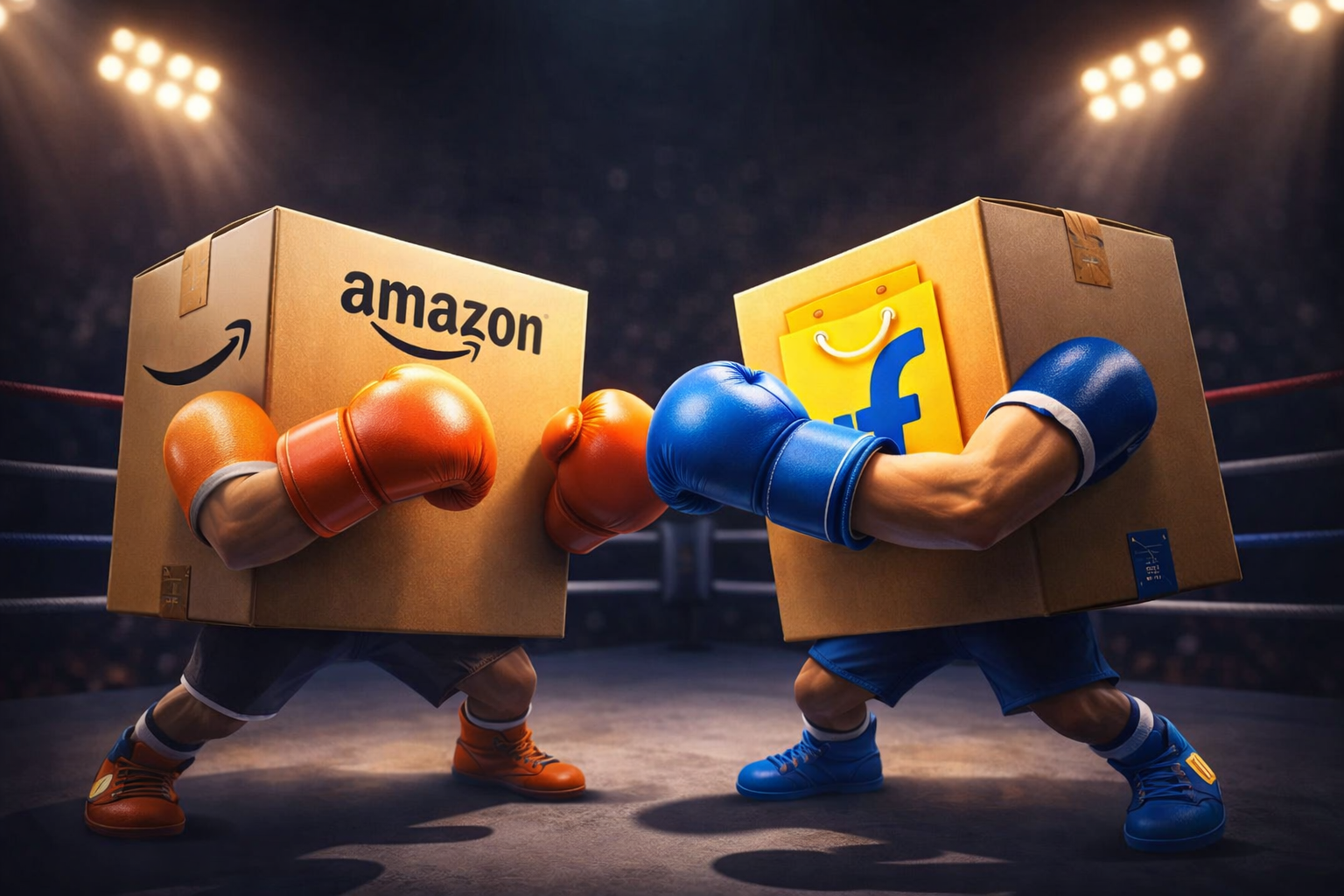
Platforms like Amazon, Flipkart, Meesho, and others bring huge customer traffic. You can get quick visibility but competition is strong. Also, marketplaces have strict rules and higher commission charges.
Here, you sell through networks, groups, and creator communities. This is helpful if your product is visual, such as clothing, beauty, or decor.
This gives you full control over branding, prices, communication, and customer experience. You build your own space on the internet and grow long term.
If you already have products, a sell online platform can make the entire process extremely simple. You can sell across India through a growing network of 30,000+ active store owners who deliver products from Kashmir to Kanyakumari. You also get visibility on 12+ ondc apps. There are no hidden charges, everything is fully transparent, and your products are listed for nationwide reach. This option works especially well for anyone who wants exposure across India without managing complex technology.
Even if your product is ready, a few small improvements can make online selling smoother.
Online orders travel long distances. Use strong covers, bubble wrap, or small boxes so items do not get damaged.
If you sell clothing, beauty items, candles, toys, or snacks, list your variants clearly. Online buyers want clarity.
Many sellers forget courier charges, packaging costs, or platform fees. For online selling, clarity of profit margin is important so you do not lose money on each order.
A good product listing decides whether a buyer trusts you or not. Here is a simple beginner friendly structure:
When a listing is clear, you appear more trustworthy, even if you are new.
Most platforms arrange pickup through partner couriers. Your work is simple:
Payments are settled after the order reaches the customer. Each platform has a different cycle, usually between a few days to a week.
For beginners, it is important to check:
Knowing these details helps you plan your business smoothly.
One big fear sellers have is that online selling requires paid advertising. But in 2026, you can grow without spending on ads if you follow simple steps.
Use natural keywords like “cotton kurti for women,” “handmade candles,” or “kids night suit” in your title and description. This helps customers find you through search.
Ask buyers for honest reviews. One good review builds confidence for future customers.
Most Indian sellers get their first online orders from relatives, neighbours, and regular offline customers.
Groups of local sellers often share tips, supplier contacts, trending product ideas, and seasonal demand patterns. This support system helps you grow faster.
Most beginners struggle with the same issues:
Solve this by giving accurate sizing, clear photos, and honest descriptions.
Always check weight slabs and measure your package before listing.
Keep your online inventory updated so you do not oversell.
Platforms with built in reach, reduce your marketing responsibility by listing your products across networks and apps.
A study by UNCTAD in 2023 highlighted that developing countries with rising smartphone use are seeing rapid growth in small scale digital commerce. For India, this means more people from smaller towns are now comfortable buying online, especially from new sellers.
For anyone who already has a product, this is the right time to go digital. You are not starting from zero. You already have stock and experience — you only need reach.
Selling products online in India in 2026 is not about trying every platform or spending on ads. It is about choosing the right place to list your products, presenting them clearly, and using a system that gives you consistent reach. If you already have a product, start by picking one platform that matches your comfort level. List a few items, learn the process, and grow step by step.
The next practical step is simple: take your best selling product, prepare a clean listing, and put it online. Once you do that, the digital market will open up for you.
.jpg)
Create your store with Wcommerce today and enjoy a zero subscription fee forever. Don't miss this exclusive opportunity to maximize your earnings without any monthly costs.