2026 में चरण-दर-चरण अपना ऑनलाइन स्टोर कैसे सेट करें
सुभम कुमार
-
February 19, 2026
-
2026 में ऑनलाइन स्टोर सेटअप: पहली बार विक्रेताओं के लिए एक व्यावहारिक मार्गदर्शिका
2026 में, ऑनलाइन स्टोर स्थापित करना अब कोई बड़ा या डरावना निर्णय नहीं है। टियर 2 और टियर 3 शहरों के लोग अपने घरों, किराना स्टोर, कॉलेज हॉस्टल और छोटे किराए के कमरों से ऑनलाइन बिक्री कर रहे हैं। जो बदल गया है वह महत्वाकांक्षा नहीं है, बल्कि पहुंच है। टूल सरल हैं, लागतें स्पष्ट हैं, और अब आपको शुरू करने के लिए तकनीकी कौशल की आवश्यकता नहीं है।
यह मार्गदर्शिका ऑनलाइन स्टोर सेटअप को स्पष्ट, व्यावहारिक तरीके से समझाती है। यह किसी एक प्लेटफ़ॉर्म को आगे नहीं बढ़ाता है। इसके बजाय, यह आपको वास्तविक लागतों, टूल और उन निर्णयों के साथ सभी यथार्थवादी विकल्पों को समझने में मदद करता है, जिनका आप वास्तव में सामना करेंगे।
पहला फैसला आप कहां बेचना चाहते हैं
शुरू करने से पहले, रुकें और एक सरल प्रश्न का उत्तर दें।
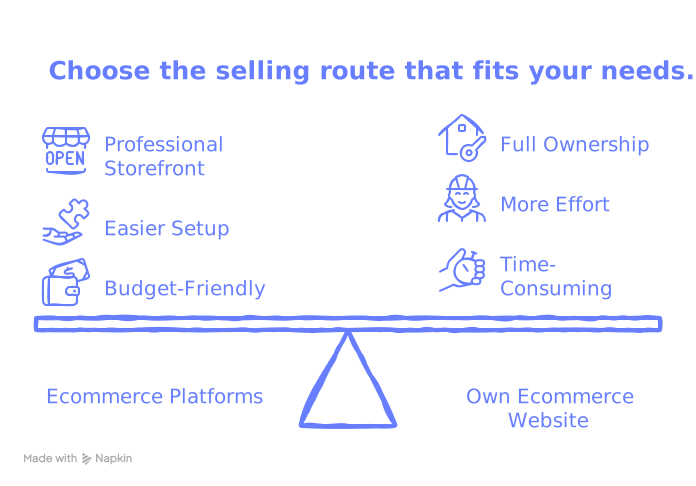
क्या आप एक बड़े ईकॉमर्स प्लेटफॉर्म पर बेचना चाहते हैं, या आप अपना खुद का ऑनलाइन स्टोर बनाना चाहते हैं?
ईकॉमर्स प्लेटफॉर्म पर बेचने से आपको तैयार ट्रैफिक और स्ट्रक्चर मिलता है। अपना खुद का ईकॉमर्स स्टोर बनाने से आपको ब्रांडिंग, मूल्य निर्धारण और ग्राहक संबंधों पर नियंत्रण मिलता है। कई पहली बार विक्रेता एक मार्ग से शुरू करते हैं और बाद में दूसरे मार्ग पर चले जाते हैं। दोनों पथ मान्य हैं।
चरण 1: तय करें कि आप क्या बेचना चाहते हैं
यह कदम बाकी सब चीजों को आकार देता है।
उन उत्पादों से शुरू करें जो हैं
समझाने में आसान
शिप करने में आसान
आपसे परिचित
पहली बार बेचने वालों के लिए सामान्य शुरुआती श्रेणियों में कपड़े, सामान, किराने की वस्तुएं, सौंदर्य उत्पाद, स्वास्थ्य और कल्याण, और पालतू जानवरों की आपूर्ति शामिल हैं। बहुत सारे प्रॉडक्ट्स के साथ लॉन्च करने से बचें। फ़ोकस किया हुआ कैटलॉग तेज़ी से भरोसा बढ़ाता है।
चरण 2: अपना विक्रय मार्ग चुनें
ईकॉमर्स प्लेटफॉर्म के जरिए बेचना
Shopify वेबसाइट जैसे प्लेटफ़ॉर्म आपको उत्पाद पृष्ठ, ऑर्डर प्रबंधन और भुगतान के साथ एक पेशेवर ऑनलाइन स्टोर बनाने की अनुमति देते हैं। आपको आमतौर पर एक योजना चुनने, थीम चुनने और लिस्टिंग प्रबंधित करने की आवश्यकता होती है।
अपनी खुद की ई-कॉमर्स वेबसाइट बनाना
अगर आपको पूरा मालिकाना हक चाहिए, तो आप डोमेन खरीद सकते हैं, होस्टिंग चुन सकते हैं और वेबसाइट बनाने वाले टूल या कॉन्टेंट मैनेजमेंट सिस्टम जैसे टूल का इस्तेमाल करके अपनी वेबसाइट बना सकते हैं। इससे लचीलापन मिलता है लेकिन इसके लिए अधिक प्रयास करने की आवश्यकता होती है।
दोनों विकल्प काम करते हैं। सही चुनाव समय, बजट और आराम के स्तर पर निर्भर करता है।
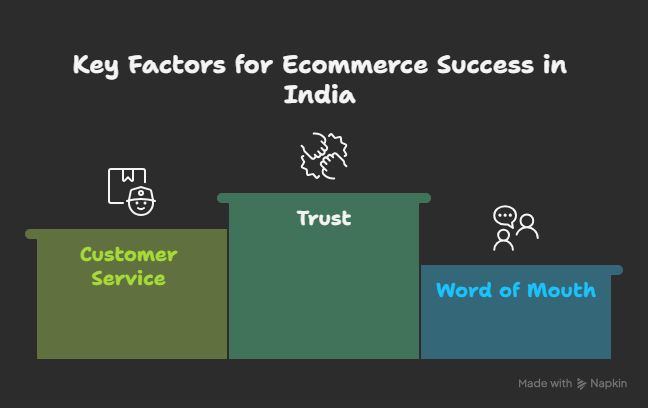
भारत में ईकॉमर्स की सफलता को वास्तव में क्या प्रेरित करता है: मजबूत ग्राहक सेवा, अंतर्निहित विश्वास, और वर्ड ऑफ़ माउथ जो विज्ञापनों की तुलना में तेज़ी से यात्रा करता है।
चरण 3: एक डोमेन खरीदें और अपनी वेबसाइट सेट करें
एक डोमेन इंटरनेट पर आपके स्टोर का पता होता है, जैसे yourstore.in।
अनुमानित लागत
डोमेन नाम: ₹700 से ₹1200 प्रति वर्ष
होस्टिंग या वेबसाइट बिल्डर: ₹3000 से ₹6000 प्रति वर्ष
कई ईकॉमर्स प्लेटफ़ॉर्म में होस्टिंग शामिल है, जो शुरुआती लोगों के लिए तकनीकी काम को कम करता है।
चरण 4: अपने उत्पादों को ठीक से सूचीबद्ध करें
उत्पाद सूची वह जगह है जहाँ ग्राहक तय करते हैं कि आप पर भरोसा करना है या नहीं।
प्रत्येक उत्पाद में शामिल होना चाहिए
उत्पाद का नाम साफ़ करें
सरल, ईमानदार वर्णन
सही मूल्य निर्धारण
अच्छी गुणवत्ता वाली छवियां
आपको महंगे फोटो शूट की जरूरत नहीं है। कई विक्रेता अब विवरण लिखने और छवियों को बेहतर बनाने के लिए ai टूल का उपयोग करते हैं। ChatGPT या Gemini जैसे टूल सरल उत्पाद टेक्स्ट बनाने में मदद करते हैं, जबकि ai इमेज टूल बैकग्राउंड को साफ करने या लाइटिंग को एडजस्ट करने में मदद करते हैं। विज़ुअल्स को हमेशा यथार्थवादी बनाए रखें।
चरण 5: ब्रांडिंग और पैकेजिंग की मूल बातें
ब्रांडिंग का मतलब फैंसी बॉक्स नहीं है।
से शुरू करें
एक साधारण लोगो
साफ पैकेजिंग
स्टोर नाम और संपर्क के साथ मुद्रित लेबल
Ai टूल लोगो और लेबल को जल्दी से डिज़ाइन करने में मदद कर सकते हैं। जैसे-जैसे आपका स्टोर बढ़ता है, आप पैकेजिंग में धीरे-धीरे सुधार कर सकते हैं।
चरण 6: भुगतान और UPI सेट अप करें
भारतीय खरीदारों के लिए भुगतान की सुविधा महत्वपूर्ण है।
ज्यादातर ग्राहक पसंद करते हैं
यूपीआई
डेबिट या क्रेडिट कार्ड
कैश ऑन डिलीवरी
रेजरपे जैसे पेमेंट गेटवे आमतौर पर उपयोग किए जाते हैं।
रेजरपे लागत अवलोकन:
बुनियादी खातों के लिए कोई सेटअप शुल्क नहीं
लगभग 2% से 3% प्रति सफल लेनदेन
लेनदेन शुल्क पर लागू जीएसटी
यदि आप ₹1000 का कोई उत्पाद बेचते हैं, तो भुगतान शुल्क लगभग ₹20 से ₹30 होता है। आप पैसे मिलने पर ही भुगतान करते हैं, जो इसे शुरुआत के लिए अनुकूल बनाता है।
चरण 7: प्लेटफ़ॉर्म और वेबसाइट की लागतों को समझें
Shopify वेबसाइट बनाने की लागत
मूल योजना: लगभग ₹2000 से ₹3000 प्रति माह
डोमेन नाम: ₹700 से ₹1200 प्रति वर्ष
लेनदेन शुल्क अलग से लागू होते हैं
वैकल्पिक लागतों में सशुल्क थीम या ऐप्स शामिल हो सकते हैं। यह विकल्प उन विक्रेताओं के लिए उपयुक्त है जो एक निश्चित मासिक लागत के साथ सहज महसूस करते हैं।
अपनी खुद की ईकॉमर्स वेबसाइट बनाने की लागत
डोमेन: ₹700 से ₹1200 प्रति वर्ष
होस्टिंग: ₹3000 से ₹6000 प्रति वर्ष
ईकॉमर्स टूल या प्लगइन्स: भुगतान किए गए विकल्पों के लिए निःशुल्क
यह मार्ग समय के साथ सस्ता हो जाता है लेकिन रखरखाव और अपडेट के लिए अधिक प्रयास की आवश्यकता होती है।
चरण 8: लॉन्च से पहले सब कुछ टेस्ट करें
अपना स्टोर लिंक शेयर करने से पहले
टेस्ट ऑर्डर दें
भुगतान प्रवाह की जाँच करें
उत्पाद विवरण की समीक्षा करें
इससे आत्मविश्वास बढ़ता है और गलतियों से बचा जाता है।
बड़ा सवाल यह है कि उत्पादों के बिना मुफ्त में ऑनलाइन स्टोर बनाना संभव है
यह पहली बार बेचने वालों के बीच सबसे आम शंकाओं में से एक है।
पारंपरिक ईकॉमर्स स्टोर्स को आमतौर पर उत्पादों, पैकेजिंग और शिपिंग की आवश्यकता होती है। हालांकि, नए मॉडल विक्रेताओं को एक बनाने की अनुमति देते हैं मुफ्त ऑनलाइन स्टोर इन्वेंट्री रखने के बिना।
कुछ टूल की मदद से आप अपना फ़ोन नंबर और स्टोर का नाम जोड़कर शुरू कर सकते हैं। उत्पाद तैयार कैटलॉग से उपलब्ध होते हैं, पैकेजिंग और शिपिंग को हैंडल किया जाता है, और आप स्टोर लिंक या qr कोड का उपयोग करके बेचते हैं।
Wcommerce जैसे प्लेटफ़ॉर्म इस दृष्टिकोण का अनुसरण करते हैं। वे फैशन, एक्सेसरीज़, किराना, स्वास्थ्य और कल्याण, सौंदर्य और पालतू जानवरों की श्रेणियों में उत्पादों की बढ़ती रेंज पेश करते हैं। कई विक्रेता इस मॉडल का उपयोग अग्रिम निवेश के बिना बिक्री सीखने के लिए करते हैं।
औजारों से ज्यादा क्या मायने रखता है
इंडिया ब्रांड इक्विटी फाउंडेशन की रिपोर्ट के मुताबिक, मोबाइल एक्सेस और डिजिटल पेमेंट की वजह से भारत का ईकॉमर्स मार्केट लगातार बढ़ा है। छोटे विक्रेताओं के लिए, इसका मतलब अवसर है, लेकिन केवल तभी जब विश्वास बना हो।
पर फ़ोकस करें
ग्राहकों को समय पर जवाब देना
डिलीवरी के बारे में ईमानदार होना
लिस्टिंग को धीरे-धीरे सुधारना
टियर 2 और टियर 3 शहरों में, वर्ड ऑफ़ माउथ अभी भी उतना ही मायने रखता है जितना कि तकनीक।
भारत में, ईकॉमर्स तब बढ़ता है जब लोग विक्रेता पर भरोसा करते हैं, समर्थित महसूस करते हैं, और दूसरों को स्टोर की सलाह देते हैं।
निष्कर्ष
2026 में ऑनलाइन स्टोर सेटअप अब तकनीकी कौशल या बड़े निवेश के बारे में नहीं है। यह ऐसा रास्ता चुनने के बारे में है जो आपके समय, बजट और आत्मविश्वास के स्तर के अनुकूल हो। कुछ विक्रेता ईकॉमर्स प्लेटफ़ॉर्म से शुरुआत करते हैं, कुछ अपने स्वयं के स्टोर बनाते हैं, और अन्य यह समझने के लिए इन्वेंटरी-मुक्त टूल से शुरू करते हैं कि वास्तविक जीवन में ऑनलाइन बिक्री कैसे काम करती है।
जो चीज सबसे ज्यादा मायने रखती है वह है पूर्णता नहीं, बल्कि स्पष्टता। अपनी लागतों को जानना, यह समझना कि भुगतान और डिलीवरी कैसे काम करते हैं, और ग्राहकों को ईमानदारी से जवाब देना किसी भी सुविधा या डिज़ाइन की तुलना में तेज़ी से विश्वास पैदा करता है।
एक बार जब आपके स्टोर की मूल बातें पूरी हो जाती हैं, तो कई पहली बार बेचने वाले स्वाभाविक रूप से आगे बढ़ते हैं सामाजिक बिक्री के तरीके, जहां WhatsApp, Instagram और छोटे वीडियो वास्तविक बातचीत और पूछताछ लाने में मदद करते हैं। भारत में, ख़ासकर टियर 2 और टियर 3 शहरों में, जब लोग विक्रेता पर भरोसा करते हैं, समर्थन महसूस करते हैं, और आत्मविश्वास से दूसरों को स्टोर करने की सलाह देते हैं, तो बिक्री बढ़ती है।
2026 में चरण-दर-चरण अपना ऑनलाइन स्टोर कैसे सेट करें
सुभम कुमार
-
February 19, 2026
-
2026 में ऑनलाइन स्टोर सेटअप: पहली बार विक्रेताओं के लिए एक व्यावहारिक मार्गदर्शिका
2026 में, ऑनलाइन स्टोर स्थापित करना अब कोई बड़ा या डरावना निर्णय नहीं है। टियर 2 और टियर 3 शहरों के लोग अपने घरों, किराना स्टोर, कॉलेज हॉस्टल और छोटे किराए के कमरों से ऑनलाइन बिक्री कर रहे हैं। जो बदल गया है वह महत्वाकांक्षा नहीं है, बल्कि पहुंच है। टूल सरल हैं, लागतें स्पष्ट हैं, और अब आपको शुरू करने के लिए तकनीकी कौशल की आवश्यकता नहीं है।
यह मार्गदर्शिका ऑनलाइन स्टोर सेटअप को स्पष्ट, व्यावहारिक तरीके से समझाती है। यह किसी एक प्लेटफ़ॉर्म को आगे नहीं बढ़ाता है। इसके बजाय, यह आपको वास्तविक लागतों, टूल और उन निर्णयों के साथ सभी यथार्थवादी विकल्पों को समझने में मदद करता है, जिनका आप वास्तव में सामना करेंगे।
पहला फैसला आप कहां बेचना चाहते हैं
शुरू करने से पहले, रुकें और एक सरल प्रश्न का उत्तर दें।
क्या आप एक बड़े ईकॉमर्स प्लेटफॉर्म पर बेचना चाहते हैं, या आप अपना खुद का ऑनलाइन स्टोर बनाना चाहते हैं?
ईकॉमर्स प्लेटफॉर्म पर बेचने से आपको तैयार ट्रैफिक और स्ट्रक्चर मिलता है। अपना खुद का ईकॉमर्स स्टोर बनाने से आपको ब्रांडिंग, मूल्य निर्धारण और ग्राहक संबंधों पर नियंत्रण मिलता है। कई पहली बार विक्रेता एक मार्ग से शुरू करते हैं और बाद में दूसरे मार्ग पर चले जाते हैं। दोनों पथ मान्य हैं।
चरण 1: तय करें कि आप क्या बेचना चाहते हैं
यह कदम बाकी सब चीजों को आकार देता है।
उन उत्पादों से शुरू करें जो हैं
समझाने में आसान
शिप करने में आसान
आपसे परिचित
पहली बार बेचने वालों के लिए सामान्य शुरुआती श्रेणियों में कपड़े, सामान, किराने की वस्तुएं, सौंदर्य उत्पाद, स्वास्थ्य और कल्याण, और पालतू जानवरों की आपूर्ति शामिल हैं। बहुत सारे प्रॉडक्ट्स के साथ लॉन्च करने से बचें। फ़ोकस किया हुआ कैटलॉग तेज़ी से भरोसा बढ़ाता है।
चरण 2: अपना विक्रय मार्ग चुनें
ईकॉमर्स प्लेटफॉर्म के जरिए बेचना
Shopify वेबसाइट जैसे प्लेटफ़ॉर्म आपको उत्पाद पृष्ठ, ऑर्डर प्रबंधन और भुगतान के साथ एक पेशेवर ऑनलाइन स्टोर बनाने की अनुमति देते हैं। आपको आमतौर पर एक योजना चुनने, थीम चुनने और लिस्टिंग प्रबंधित करने की आवश्यकता होती है।
अपनी खुद की ई-कॉमर्स वेबसाइट बनाना
अगर आपको पूरा मालिकाना हक चाहिए, तो आप डोमेन खरीद सकते हैं, होस्टिंग चुन सकते हैं और वेबसाइट बनाने वाले टूल या कॉन्टेंट मैनेजमेंट सिस्टम जैसे टूल का इस्तेमाल करके अपनी वेबसाइट बना सकते हैं। इससे लचीलापन मिलता है लेकिन इसके लिए अधिक प्रयास करने की आवश्यकता होती है।
दोनों विकल्प काम करते हैं। सही चुनाव समय, बजट और आराम के स्तर पर निर्भर करता है।
भारत में ईकॉमर्स की सफलता को वास्तव में क्या प्रेरित करता है: मजबूत ग्राहक सेवा, अंतर्निहित विश्वास, और वर्ड ऑफ़ माउथ जो विज्ञापनों की तुलना में तेज़ी से यात्रा करता है।
चरण 3: एक डोमेन खरीदें और अपनी वेबसाइट सेट करें
एक डोमेन इंटरनेट पर आपके स्टोर का पता होता है, जैसे yourstore.in।
अनुमानित लागत
डोमेन नाम: ₹700 से ₹1200 प्रति वर्ष
होस्टिंग या वेबसाइट बिल्डर: ₹3000 से ₹6000 प्रति वर्ष
कई ईकॉमर्स प्लेटफ़ॉर्म में होस्टिंग शामिल है, जो शुरुआती लोगों के लिए तकनीकी काम को कम करता है।
चरण 4: अपने उत्पादों को ठीक से सूचीबद्ध करें
उत्पाद सूची वह जगह है जहाँ ग्राहक तय करते हैं कि आप पर भरोसा करना है या नहीं।
प्रत्येक उत्पाद में शामिल होना चाहिए
उत्पाद का नाम साफ़ करें
सरल, ईमानदार वर्णन
सही मूल्य निर्धारण
अच्छी गुणवत्ता वाली छवियां
आपको महंगे फोटो शूट की जरूरत नहीं है। कई विक्रेता अब विवरण लिखने और छवियों को बेहतर बनाने के लिए ai टूल का उपयोग करते हैं। ChatGPT या Gemini जैसे टूल सरल उत्पाद टेक्स्ट बनाने में मदद करते हैं, जबकि ai इमेज टूल बैकग्राउंड को साफ करने या लाइटिंग को एडजस्ट करने में मदद करते हैं। विज़ुअल्स को हमेशा यथार्थवादी बनाए रखें।
चरण 5: ब्रांडिंग और पैकेजिंग की मूल बातें
ब्रांडिंग का मतलब फैंसी बॉक्स नहीं है।
से शुरू करें
एक साधारण लोगो
साफ पैकेजिंग
स्टोर नाम और संपर्क के साथ मुद्रित लेबल
Ai टूल लोगो और लेबल को जल्दी से डिज़ाइन करने में मदद कर सकते हैं। जैसे-जैसे आपका स्टोर बढ़ता है, आप पैकेजिंग में धीरे-धीरे सुधार कर सकते हैं।
चरण 6: भुगतान और UPI सेट अप करें
भारतीय खरीदारों के लिए भुगतान की सुविधा महत्वपूर्ण है।
ज्यादातर ग्राहक पसंद करते हैं
यूपीआई
डेबिट या क्रेडिट कार्ड
कैश ऑन डिलीवरी
रेजरपे जैसे पेमेंट गेटवे आमतौर पर उपयोग किए जाते हैं।
रेजरपे लागत अवलोकन:
बुनियादी खातों के लिए कोई सेटअप शुल्क नहीं
लगभग 2% से 3% प्रति सफल लेनदेन
लेनदेन शुल्क पर लागू जीएसटी
यदि आप ₹1000 का कोई उत्पाद बेचते हैं, तो भुगतान शुल्क लगभग ₹20 से ₹30 होता है। आप पैसे मिलने पर ही भुगतान करते हैं, जो इसे शुरुआत के लिए अनुकूल बनाता है।
चरण 7: प्लेटफ़ॉर्म और वेबसाइट की लागतों को समझें
Shopify वेबसाइट बनाने की लागत
मूल योजना: लगभग ₹2000 से ₹3000 प्रति माह
डोमेन नाम: ₹700 से ₹1200 प्रति वर्ष
लेनदेन शुल्क अलग से लागू होते हैं
वैकल्पिक लागतों में सशुल्क थीम या ऐप्स शामिल हो सकते हैं। यह विकल्प उन विक्रेताओं के लिए उपयुक्त है जो एक निश्चित मासिक लागत के साथ सहज महसूस करते हैं।
अपनी खुद की ईकॉमर्स वेबसाइट बनाने की लागत
डोमेन: ₹700 से ₹1200 प्रति वर्ष
होस्टिंग: ₹3000 से ₹6000 प्रति वर्ष
ईकॉमर्स टूल या प्लगइन्स: भुगतान किए गए विकल्पों के लिए निःशुल्क
यह मार्ग समय के साथ सस्ता हो जाता है लेकिन रखरखाव और अपडेट के लिए अधिक प्रयास की आवश्यकता होती है।
चरण 8: लॉन्च से पहले सब कुछ टेस्ट करें
अपना स्टोर लिंक शेयर करने से पहले
टेस्ट ऑर्डर दें
भुगतान प्रवाह की जाँच करें
उत्पाद विवरण की समीक्षा करें
इससे आत्मविश्वास बढ़ता है और गलतियों से बचा जाता है।
बड़ा सवाल यह है कि उत्पादों के बिना मुफ्त में ऑनलाइन स्टोर बनाना संभव है
यह पहली बार बेचने वालों के बीच सबसे आम शंकाओं में से एक है।
पारंपरिक ईकॉमर्स स्टोर्स को आमतौर पर उत्पादों, पैकेजिंग और शिपिंग की आवश्यकता होती है। हालांकि, नए मॉडल विक्रेताओं को एक बनाने की अनुमति देते हैं मुफ्त ऑनलाइन स्टोर इन्वेंट्री रखने के बिना।
कुछ टूल की मदद से आप अपना फ़ोन नंबर और स्टोर का नाम जोड़कर शुरू कर सकते हैं। उत्पाद तैयार कैटलॉग से उपलब्ध होते हैं, पैकेजिंग और शिपिंग को हैंडल किया जाता है, और आप स्टोर लिंक या qr कोड का उपयोग करके बेचते हैं।
Wcommerce जैसे प्लेटफ़ॉर्म इस दृष्टिकोण का अनुसरण करते हैं। वे फैशन, एक्सेसरीज़, किराना, स्वास्थ्य और कल्याण, सौंदर्य और पालतू जानवरों की श्रेणियों में उत्पादों की बढ़ती रेंज पेश करते हैं। कई विक्रेता इस मॉडल का उपयोग अग्रिम निवेश के बिना बिक्री सीखने के लिए करते हैं।
औजारों से ज्यादा क्या मायने रखता है
इंडिया ब्रांड इक्विटी फाउंडेशन की रिपोर्ट के मुताबिक, मोबाइल एक्सेस और डिजिटल पेमेंट की वजह से भारत का ईकॉमर्स मार्केट लगातार बढ़ा है। छोटे विक्रेताओं के लिए, इसका मतलब अवसर है, लेकिन केवल तभी जब विश्वास बना हो।
पर फ़ोकस करें
ग्राहकों को समय पर जवाब देना
डिलीवरी के बारे में ईमानदार होना
लिस्टिंग को धीरे-धीरे सुधारना
टियर 2 और टियर 3 शहरों में, वर्ड ऑफ़ माउथ अभी भी उतना ही मायने रखता है जितना कि तकनीक।
भारत में, ईकॉमर्स तब बढ़ता है जब लोग विक्रेता पर भरोसा करते हैं, समर्थित महसूस करते हैं, और दूसरों को स्टोर की सलाह देते हैं।
निष्कर्ष
2026 में ऑनलाइन स्टोर सेटअप अब तकनीकी कौशल या बड़े निवेश के बारे में नहीं है। यह ऐसा रास्ता चुनने के बारे में है जो आपके समय, बजट और आत्मविश्वास के स्तर के अनुकूल हो। कुछ विक्रेता ईकॉमर्स प्लेटफ़ॉर्म से शुरुआत करते हैं, कुछ अपने स्वयं के स्टोर बनाते हैं, और अन्य यह समझने के लिए इन्वेंटरी-मुक्त टूल से शुरू करते हैं कि वास्तविक जीवन में ऑनलाइन बिक्री कैसे काम करती है।
जो चीज सबसे ज्यादा मायने रखती है वह है पूर्णता नहीं, बल्कि स्पष्टता। अपनी लागतों को जानना, यह समझना कि भुगतान और डिलीवरी कैसे काम करते हैं, और ग्राहकों को ईमानदारी से जवाब देना किसी भी सुविधा या डिज़ाइन की तुलना में तेज़ी से विश्वास पैदा करता है।
एक बार जब आपके स्टोर की मूल बातें पूरी हो जाती हैं, तो कई पहली बार बेचने वाले स्वाभाविक रूप से आगे बढ़ते हैं सामाजिक बिक्री के तरीके, जहां WhatsApp, Instagram और छोटे वीडियो वास्तविक बातचीत और पूछताछ लाने में मदद करते हैं। भारत में, ख़ासकर टियर 2 और टियर 3 शहरों में, जब लोग विक्रेता पर भरोसा करते हैं, समर्थन महसूस करते हैं, और आत्मविश्वास से दूसरों को स्टोर करने की सलाह देते हैं, तो बिक्री बढ़ती है।
सन्दर्भ
इंडिया ब्रांड इक्विटी फाउंडेशन
नैसकॉम डिजिटल कॉमर्स की रिपोर्ट
Shopify लघु व्यवसाय संसाधन
सेल्सफोर्स ईकॉमर्स इनसाइट्स
5
min read
भारत में पहली बार विक्रेता द्वारा अपने फोन पर एक ऑनलाइन स्टोर देखने का एक यथार्थवादी दृश्य, कार्ट में एक स्पष्ट ऐड टू कार्ट बटन और एक ऑर्डर कन्फर्म अलर्ट को उजागर करता है।
2026 में ऑनलाइन स्टोर सेटअप: पहली बार विक्रेताओं के लिए एक व्यावहारिक मार्गदर्शिका
2026 में, ऑनलाइन स्टोर स्थापित करना अब कोई बड़ा या डरावना निर्णय नहीं है। टियर 2 और टियर 3 शहरों के लोग अपने घरों, किराना स्टोर, कॉलेज हॉस्टल और छोटे किराए के कमरों से ऑनलाइन बिक्री कर रहे हैं। जो बदल गया है वह महत्वाकांक्षा नहीं है, बल्कि पहुंच है। टूल सरल हैं, लागतें स्पष्ट हैं, और अब आपको शुरू करने के लिए तकनीकी कौशल की आवश्यकता नहीं है।
यह मार्गदर्शिका ऑनलाइन स्टोर सेटअप को स्पष्ट, व्यावहारिक तरीके से समझाती है। यह किसी एक प्लेटफ़ॉर्म को आगे नहीं बढ़ाता है। इसके बजाय, यह आपको वास्तविक लागतों, टूल और उन निर्णयों के साथ सभी यथार्थवादी विकल्पों को समझने में मदद करता है, जिनका आप वास्तव में सामना करेंगे।
पहला फैसला आप कहां बेचना चाहते हैं
शुरू करने से पहले, रुकें और एक सरल प्रश्न का उत्तर दें।
क्या आप एक बड़े ईकॉमर्स प्लेटफॉर्म पर बेचना चाहते हैं, या आप अपना खुद का ऑनलाइन स्टोर बनाना चाहते हैं?
ईकॉमर्स प्लेटफॉर्म पर बेचने से आपको तैयार ट्रैफिक और स्ट्रक्चर मिलता है। अपना खुद का ईकॉमर्स स्टोर बनाने से आपको ब्रांडिंग, मूल्य निर्धारण और ग्राहक संबंधों पर नियंत्रण मिलता है। कई पहली बार विक्रेता एक मार्ग से शुरू करते हैं और बाद में दूसरे मार्ग पर चले जाते हैं। दोनों पथ मान्य हैं।
चरण 1: तय करें कि आप क्या बेचना चाहते हैं
यह कदम बाकी सब चीजों को आकार देता है।
उन उत्पादों से शुरू करें जो हैं
समझाने में आसान
शिप करने में आसान
आपसे परिचित
पहली बार बेचने वालों के लिए सामान्य शुरुआती श्रेणियों में कपड़े, सामान, किराने की वस्तुएं, सौंदर्य उत्पाद, स्वास्थ्य और कल्याण, और पालतू जानवरों की आपूर्ति शामिल हैं। बहुत सारे प्रॉडक्ट्स के साथ लॉन्च करने से बचें। फ़ोकस किया हुआ कैटलॉग तेज़ी से भरोसा बढ़ाता है।
चरण 2: अपना विक्रय मार्ग चुनें
ईकॉमर्स प्लेटफॉर्म के जरिए बेचना
Shopify वेबसाइट जैसे प्लेटफ़ॉर्म आपको उत्पाद पृष्ठ, ऑर्डर प्रबंधन और भुगतान के साथ एक पेशेवर ऑनलाइन स्टोर बनाने की अनुमति देते हैं। आपको आमतौर पर एक योजना चुनने, थीम चुनने और लिस्टिंग प्रबंधित करने की आवश्यकता होती है।
अपनी खुद की ई-कॉमर्स वेबसाइट बनाना
अगर आपको पूरा मालिकाना हक चाहिए, तो आप डोमेन खरीद सकते हैं, होस्टिंग चुन सकते हैं और वेबसाइट बनाने वाले टूल या कॉन्टेंट मैनेजमेंट सिस्टम जैसे टूल का इस्तेमाल करके अपनी वेबसाइट बना सकते हैं। इससे लचीलापन मिलता है लेकिन इसके लिए अधिक प्रयास करने की आवश्यकता होती है।
दोनों विकल्प काम करते हैं। सही चुनाव समय, बजट और आराम के स्तर पर निर्भर करता है।
भारत में ईकॉमर्स की सफलता को वास्तव में क्या प्रेरित करता है: मजबूत ग्राहक सेवा, अंतर्निहित विश्वास, और वर्ड ऑफ़ माउथ जो विज्ञापनों की तुलना में तेज़ी से यात्रा करता है।
चरण 3: एक डोमेन खरीदें और अपनी वेबसाइट सेट करें
एक डोमेन इंटरनेट पर आपके स्टोर का पता होता है, जैसे yourstore.in।
अनुमानित लागत
डोमेन नाम: ₹700 से ₹1200 प्रति वर्ष
होस्टिंग या वेबसाइट बिल्डर: ₹3000 से ₹6000 प्रति वर्ष
कई ईकॉमर्स प्लेटफ़ॉर्म में होस्टिंग शामिल है, जो शुरुआती लोगों के लिए तकनीकी काम को कम करता है।
चरण 4: अपने उत्पादों को ठीक से सूचीबद्ध करें
उत्पाद सूची वह जगह है जहाँ ग्राहक तय करते हैं कि आप पर भरोसा करना है या नहीं।
प्रत्येक उत्पाद में शामिल होना चाहिए
उत्पाद का नाम साफ़ करें
सरल, ईमानदार वर्णन
सही मूल्य निर्धारण
अच्छी गुणवत्ता वाली छवियां
आपको महंगे फोटो शूट की जरूरत नहीं है। कई विक्रेता अब विवरण लिखने और छवियों को बेहतर बनाने के लिए ai टूल का उपयोग करते हैं। ChatGPT या Gemini जैसे टूल सरल उत्पाद टेक्स्ट बनाने में मदद करते हैं, जबकि ai इमेज टूल बैकग्राउंड को साफ करने या लाइटिंग को एडजस्ट करने में मदद करते हैं। विज़ुअल्स को हमेशा यथार्थवादी बनाए रखें।
चरण 5: ब्रांडिंग और पैकेजिंग की मूल बातें
ब्रांडिंग का मतलब फैंसी बॉक्स नहीं है।
से शुरू करें
एक साधारण लोगो
साफ पैकेजिंग
स्टोर नाम और संपर्क के साथ मुद्रित लेबल
Ai टूल लोगो और लेबल को जल्दी से डिज़ाइन करने में मदद कर सकते हैं। जैसे-जैसे आपका स्टोर बढ़ता है, आप पैकेजिंग में धीरे-धीरे सुधार कर सकते हैं।
चरण 6: भुगतान और UPI सेट अप करें
भारतीय खरीदारों के लिए भुगतान की सुविधा महत्वपूर्ण है।
ज्यादातर ग्राहक पसंद करते हैं
यूपीआई
डेबिट या क्रेडिट कार्ड
कैश ऑन डिलीवरी
रेजरपे जैसे पेमेंट गेटवे आमतौर पर उपयोग किए जाते हैं।
रेजरपे लागत अवलोकन:
बुनियादी खातों के लिए कोई सेटअप शुल्क नहीं
लगभग 2% से 3% प्रति सफल लेनदेन
लेनदेन शुल्क पर लागू जीएसटी
यदि आप ₹1000 का कोई उत्पाद बेचते हैं, तो भुगतान शुल्क लगभग ₹20 से ₹30 होता है। आप पैसे मिलने पर ही भुगतान करते हैं, जो इसे शुरुआत के लिए अनुकूल बनाता है।
चरण 7: प्लेटफ़ॉर्म और वेबसाइट की लागतों को समझें
Shopify वेबसाइट बनाने की लागत
मूल योजना: लगभग ₹2000 से ₹3000 प्रति माह
डोमेन नाम: ₹700 से ₹1200 प्रति वर्ष
लेनदेन शुल्क अलग से लागू होते हैं
वैकल्पिक लागतों में सशुल्क थीम या ऐप्स शामिल हो सकते हैं। यह विकल्प उन विक्रेताओं के लिए उपयुक्त है जो एक निश्चित मासिक लागत के साथ सहज महसूस करते हैं।
अपनी खुद की ईकॉमर्स वेबसाइट बनाने की लागत
डोमेन: ₹700 से ₹1200 प्रति वर्ष
होस्टिंग: ₹3000 से ₹6000 प्रति वर्ष
ईकॉमर्स टूल या प्लगइन्स: भुगतान किए गए विकल्पों के लिए निःशुल्क
यह मार्ग समय के साथ सस्ता हो जाता है लेकिन रखरखाव और अपडेट के लिए अधिक प्रयास की आवश्यकता होती है।
चरण 8: लॉन्च से पहले सब कुछ टेस्ट करें
अपना स्टोर लिंक शेयर करने से पहले
टेस्ट ऑर्डर दें
भुगतान प्रवाह की जाँच करें
उत्पाद विवरण की समीक्षा करें
इससे आत्मविश्वास बढ़ता है और गलतियों से बचा जाता है।
बड़ा सवाल यह है कि उत्पादों के बिना मुफ्त में ऑनलाइन स्टोर बनाना संभव है
यह पहली बार बेचने वालों के बीच सबसे आम शंकाओं में से एक है।
पारंपरिक ईकॉमर्स स्टोर्स को आमतौर पर उत्पादों, पैकेजिंग और शिपिंग की आवश्यकता होती है। हालांकि, नए मॉडल विक्रेताओं को एक बनाने की अनुमति देते हैं मुफ्त ऑनलाइन स्टोर इन्वेंट्री रखने के बिना।
कुछ टूल की मदद से आप अपना फ़ोन नंबर और स्टोर का नाम जोड़कर शुरू कर सकते हैं। उत्पाद तैयार कैटलॉग से उपलब्ध होते हैं, पैकेजिंग और शिपिंग को हैंडल किया जाता है, और आप स्टोर लिंक या qr कोड का उपयोग करके बेचते हैं।
Wcommerce जैसे प्लेटफ़ॉर्म इस दृष्टिकोण का अनुसरण करते हैं। वे फैशन, एक्सेसरीज़, किराना, स्वास्थ्य और कल्याण, सौंदर्य और पालतू जानवरों की श्रेणियों में उत्पादों की बढ़ती रेंज पेश करते हैं। कई विक्रेता इस मॉडल का उपयोग अग्रिम निवेश के बिना बिक्री सीखने के लिए करते हैं।
औजारों से ज्यादा क्या मायने रखता है
इंडिया ब्रांड इक्विटी फाउंडेशन की रिपोर्ट के मुताबिक, मोबाइल एक्सेस और डिजिटल पेमेंट की वजह से भारत का ईकॉमर्स मार्केट लगातार बढ़ा है। छोटे विक्रेताओं के लिए, इसका मतलब अवसर है, लेकिन केवल तभी जब विश्वास बना हो।
पर फ़ोकस करें
ग्राहकों को समय पर जवाब देना
डिलीवरी के बारे में ईमानदार होना
लिस्टिंग को धीरे-धीरे सुधारना
टियर 2 और टियर 3 शहरों में, वर्ड ऑफ़ माउथ अभी भी उतना ही मायने रखता है जितना कि तकनीक।
भारत में, ईकॉमर्स तब बढ़ता है जब लोग विक्रेता पर भरोसा करते हैं, समर्थित महसूस करते हैं, और दूसरों को स्टोर की सलाह देते हैं।
निष्कर्ष
2026 में ऑनलाइन स्टोर सेटअप अब तकनीकी कौशल या बड़े निवेश के बारे में नहीं है। यह ऐसा रास्ता चुनने के बारे में है जो आपके समय, बजट और आत्मविश्वास के स्तर के अनुकूल हो। कुछ विक्रेता ईकॉमर्स प्लेटफ़ॉर्म से शुरुआत करते हैं, कुछ अपने स्वयं के स्टोर बनाते हैं, और अन्य यह समझने के लिए इन्वेंटरी-मुक्त टूल से शुरू करते हैं कि वास्तविक जीवन में ऑनलाइन बिक्री कैसे काम करती है।
जो चीज सबसे ज्यादा मायने रखती है वह है पूर्णता नहीं, बल्कि स्पष्टता। अपनी लागतों को जानना, यह समझना कि भुगतान और डिलीवरी कैसे काम करते हैं, और ग्राहकों को ईमानदारी से जवाब देना किसी भी सुविधा या डिज़ाइन की तुलना में तेज़ी से विश्वास पैदा करता है।
एक बार जब आपके स्टोर की मूल बातें पूरी हो जाती हैं, तो कई पहली बार बेचने वाले स्वाभाविक रूप से आगे बढ़ते हैं सामाजिक बिक्री के तरीके, जहां WhatsApp, Instagram और छोटे वीडियो वास्तविक बातचीत और पूछताछ लाने में मदद करते हैं। भारत में, ख़ासकर टियर 2 और टियर 3 शहरों में, जब लोग विक्रेता पर भरोसा करते हैं, समर्थन महसूस करते हैं, और आत्मविश्वास से दूसरों को स्टोर करने की सलाह देते हैं, तो बिक्री बढ़ती है।
सन्दर्भ
इंडिया ब्रांड इक्विटी फाउंडेशन
नैसकॉम डिजिटल कॉमर्स की रिपोर्ट
Shopify लघु व्यवसाय संसाधन
सेल्सफोर्स ईकॉमर्स इनसाइट्स
Share Now
सुभम कुमार
अरे! मैं Wcommerce के संस्थापक कार्यालय से सुभम हूँ। मेरा काम शोध, उत्पाद रणनीति और सभी के लिए स्टोर प्रबंधन को आसान बनाने के इर्द-गिर्द घूमता है। मुझे विचारों को ऐसे व्यावहारिक टूल में बदलना अच्छा लगता है, जिन्हें स्टोर के मालिक वास्तव में उपयोग कर सकते हैं।
दृश्य प्राप्त करना आसान है। dms को ऑर्डर में बदलना असली चुनौती है। यह मार्गदर्शिका बताती है कि नए विक्रेता Instagram DM पर बेहतर प्रतिक्रिया कैसे दे सकते हैं, बातचीत के माध्यम से विश्वास बना सकते हैं और रील व्यू को सरल, व्यावहारिक तरीके से पुष्टि किए गए ऑर्डर में बदल सकते हैं।
Heading 1
Heading 2
Heading 3
Heading 4
Heading 5
Heading 6
Lorem ipsum dolor sit amet, consectetur adipiscing elit, sed do eiusmod tempor incididunt ut labore et dolore magna aliqua. Ut enim ad minim veniam, quis nostrud exercitation ullamco laboris nisi ut aliquip ex ea commodo consequat. Duis aute irure dolor in reprehenderit in voluptate velit esse cillum dolore eu fugiat nulla pariatur.
ऑनलाइन स्टोर शुरू कर रहे हैं लेकिन व्यू या मैसेज नहीं मिल रहे हैं? यह ब्लॉग नए विक्रेताओं को दिखाता है कि वास्तविक पूछताछ और ऑर्डर प्राप्त करने के लिए 7 दिनों के लिए आसानी से सामग्री की योजना कैसे बनाई जाए, मुफ्त टूल का उपयोग किया जाए और 7 दिनों के लिए आत्मविश्वास से पोस्ट किया जाए।
Heading 1
Heading 2
Heading 3
Heading 4
Heading 5
Heading 6
Lorem ipsum dolor sit amet, consectetur adipiscing elit, sed do eiusmod tempor incididunt ut labore et dolore magna aliqua. Ut enim ad minim veniam, quis nostrud exercitation ullamco laboris nisi ut aliquip ex ea commodo consequat. Duis aute irure dolor in reprehenderit in voluptate velit esse cillum dolore eu fugiat nulla pariatur.
आज के दिन के समय में मेरी राय में, छोटे या दो लोगों की राय है, इस तरह के 2026 के बारे में लोगों को पता है कि वे किस तरह WhatsApp, Instagram और YouTube का इस्तेमाल कर रहे हैं,
Heading 1
Heading 2
Heading 3
Heading 4
Heading 5
Heading 6
Lorem ipsum dolor sit amet, consectetur adipiscing elit, sed do eiusmod tempor incididunt ut labore et dolore magna aliqua. Ut enim ad minim veniam, quis nostrud exercitation ullamco laboris nisi ut aliquip ex ea commodo consequat. Duis aute irure dolor in reprehenderit in voluptate velit esse cillum dolore eu fugiat nulla pariatur.


.jpg)
.png)
.jpg)
.jpg)
.jpg)