Understanding why social ecommerce matters today
By 2026, the way Indians buy and sell products has changed even more rapidly. Social ecommerce has now become a major part of everyday business, especially for small sellers, home entrepreneurs, and young people looking for flexible income options. Families in tier 2 and tier 3 cities continue to spend a large part of their day on social platforms, whether they are watching short videos, comparing products, or chatting with neighbourhood sellers. Because of this natural digital habit, social ecommerce has become one of the easiest and most trusted ways to start selling online without needing heavy investment or advanced technical skills.
A report from Meta and Bain & Company in 2023 found that more than 60 percent of Indian shoppers discover new products online through social media. Even in 2026, this behaviour remains strong. Product discovery through reels, short videos, and creator recommendations is now a daily part of online shopping. For small business owners, this means a higher chance of being discovered by the right customers without huge marketing budgets.
What is social ecommerce?
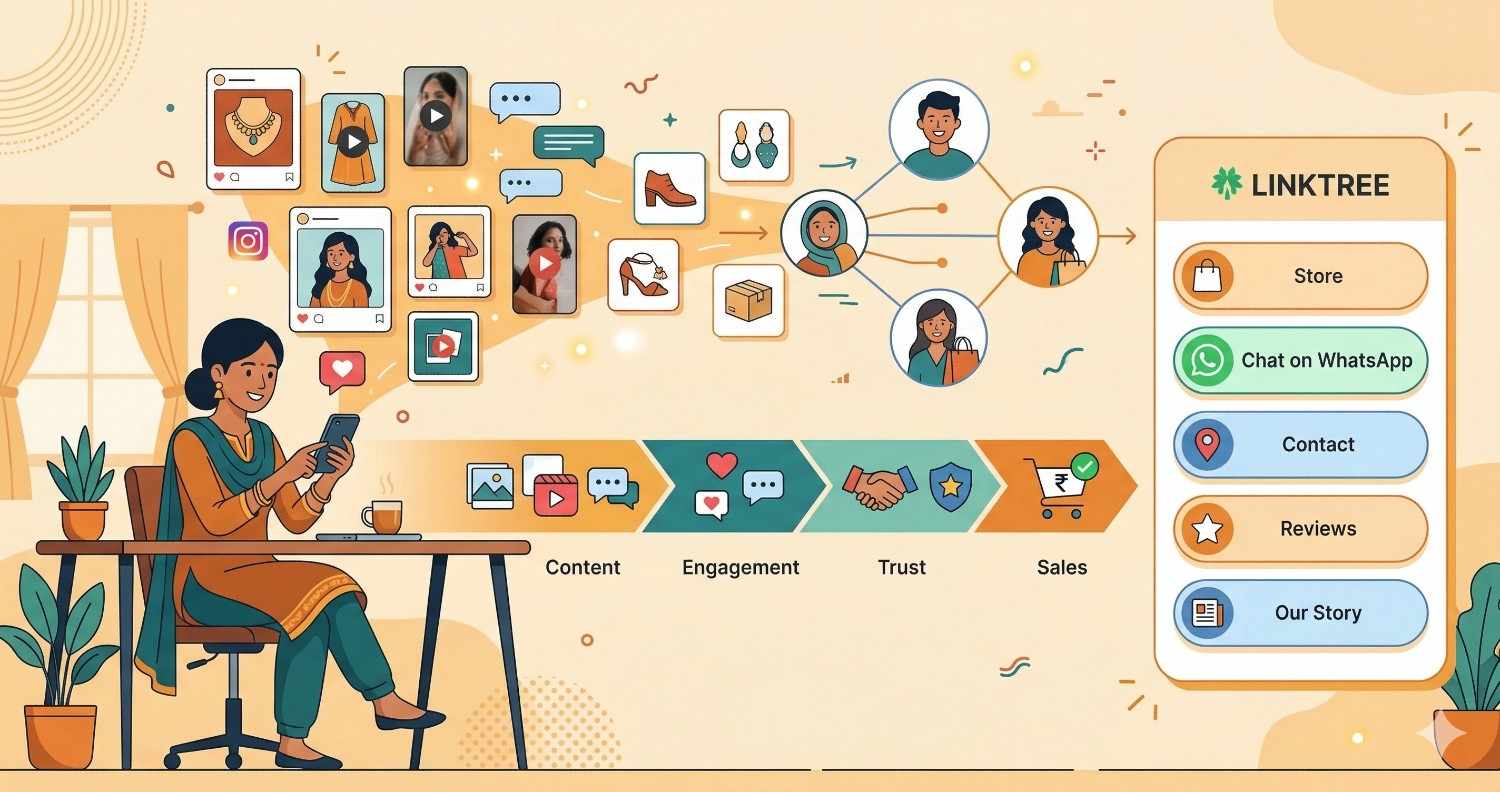
Social ecommerce is the practice of buying and selling products directly through social media platforms. In 2026, platforms like Facebook, Instagram, and even newer short video apps allow sellers to showcase products, chat with customers, and close sales in one place. The entire journey from browsing to buying happens inside the app, which feels very natural for people in smaller cities who prefer familiar and simple buying experiences.
It is also closely linked to social media ecommerce and social selling, both of which involve building trust, having friendly conversations, and sharing real product experiences. Many sellers begin with simple photos or reels, and as they grow, they turn their collections into proper online stores using easy tools that do not require technical knowledge.
Why social ecommerce is booming in tier 2 and tier 3 cities?
In 2026, India’s smaller cities are driving the next wave of digital buying. People prefer communication that feels personal and real, which is why social ecommerce works so well. It allows customers to ask questions directly, see live videos of products, and get quick responses.
Several everyday situations continue to support this trend:
- working parents who rely on quick product suggestions during breaks
- students who explore affordable fashion through local influencers
- homemakers running small online stores from home
- young sellers experimenting with handmade items or curated products
According to a 2022 study by kpmg, nearly half of india’s new online shoppers come from tier 2 and tier 3 cities. Even in 2026, this shift is still growing, with more people preferring trusted digital spaces over traditional websites. Social ecommerce gives them a familiar, comfortable way to shop with confidence.
How online stores are becoming easier to create?
Until a few years ago, the idea of creating an online store felt overwhelming. Today in 2026, it is simpler than ever. Anyone can set up an online store using guided tools, or they can hire professionals for a cleaner and more organised design. Both choices work well because platforms now focus on ease and affordability.
Platforms like wcommmer.store make the process smooth for everyday sellers. For example, Ankur Barjatiya from MP already runs his store, where the products are ready to sell without any inventory burden. He simply promotes them on instagram, the orders come in, and wcommmer.store handles the packing and delivery. This setup saves him time and allows him to focus on engaging with customers and growing his reach.
The human side of social ecommerce
The biggest strength of social ecommerce in 2026 is still its personal touch. A shop owner can talk directly with customers, show real videos, clear doubts instantly, and build natural relationships. This is especially meaningful in indian communities where every purchase involves trust.
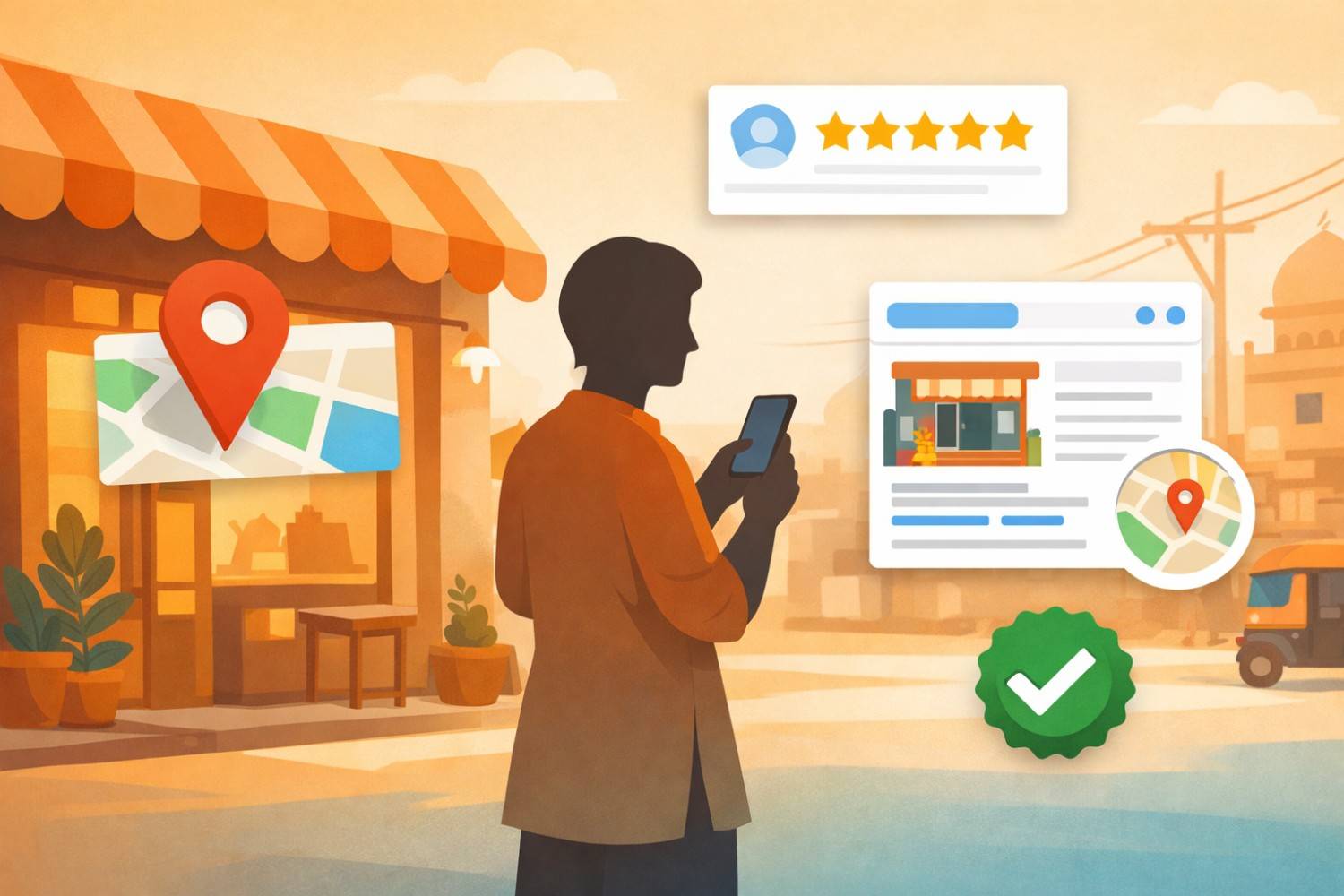
When buyers see genuine reviews, unfiltered photos, or recommendations from local influencers they relate to, it increases social proof and builds confidence. This is why community-driven shopping is becoming such a powerful trend. People feel more comfortable buying when they know the seller or when the product is suggested by someone whose lifestyle feels familiar.
What sellers can realistically expect?
Even in 2026, social ecommerce remains a practical and achievable way to start a business. It does not promise overnight success, but it provides a strong foundation for steady growth.
Here is what sellers can realistically expect:
- a low cost and low risk way to start
- direct conversations with buyers
- easy testing of new products
- useful feedback for improvement
- long term trust through consistent engagement
Many small sellers continue to start with homemade goods, thrift fashion, beauty essentials, or home decor items. Over time, they understand customer preferences and slowly improve their online stores. Even a single well presented product can go viral on social media and create steady demand.
Common questions people ask about social ecommerce
Is it safe to buy and sell through social platforms?
Yes, it is generally safe when sellers follow basic practices such as clear product details, transparent prices, and secure payment options. Buyers should also check reviews and ask questions before confirming orders.
Do i need to be good at technology?
Not at all. Most platforms in 2026 are designed for beginners. Posting a product, replying to messages, and updating prices are enough to get started. Sellers can learn other features slowly at their own pace.
Can social ecommerce become a stable income source?
Yes, but stability requires consistency. Sellers who stay active, create fresh content, and maintain product quality usually see steady improvement in sales.
Conclusion
By 2026, social ecommerce has become a powerful opportunity for small sellers and individuals across India, especially in tier 2 and tier 3 cities. With familiar platforms, simple tools, and direct communication, anyone can create an online store and start selling without complex setups. Whether someone starts on their own or takes help from a professional, the path is practical and achievable. If you are planning to begin, start with one simple product, listen to your customers, and allow your business to grow steadily. Social ecommerce is not just a trend in 2026 — it is a dependable way to build income in India’s evolving digital landscape.
References
- Meta and Bain & Company, 2023
- KPMG, 2022
- Economic Times
- Startup India


.jpg)
.png)